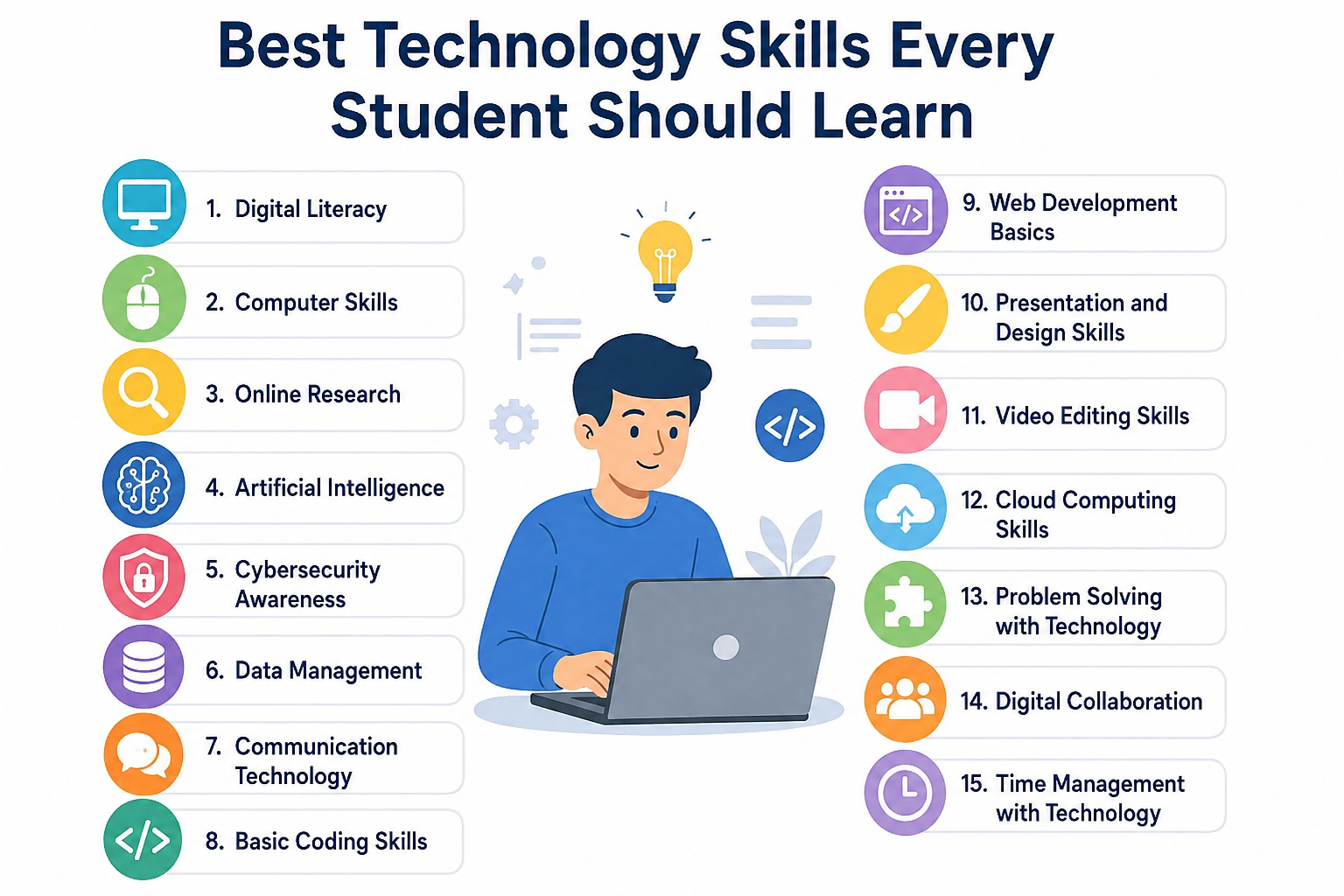
Technology has become an important part of modern education and everyday life. Students today use computers, smartphones, online learning platforms, digital applications, and artificial intelligence tools for studying and communication. Because technology is changing quickly, students need more than basic computer knowledge to succeed in school, university, and future careers. Learning the right technology skills can help students become more productive, creative, confident, and prepared for the modern workplace.
The best technology skills for students are not limited to programming or advanced computer science. They also include digital literacy, online research, communication, cybersecurity, artificial intelligence, data management, and problem solving. These skills can help students complete academic tasks more effectively while preparing them for future opportunities.
1. Digital Literacy
Digital literacy is one of the most important technology skills every student should learn. It means knowing how to use digital devices, applications, websites, and online services properly and effectively.
Students with good digital literacy can create documents, organize files, use educational platforms, communicate online, and find useful information on the internet. They should also understand how different digital tools work and when to use them.
Digital literacy helps students become independent learners. Instead of depending on others for every technical task, students can solve simple problems themselves and use technology confidently.
2. Computer Skills
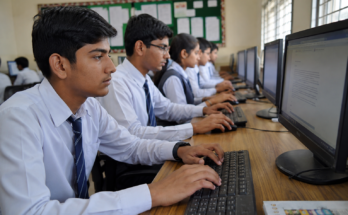
Basic computer skills are essential for students in almost every field. Students should know how to use word processing software, spreadsheets, presentation tools, email applications, and cloud storage services.
Learning keyboard shortcuts, file organization, document formatting, and basic troubleshooting can save a significant amount of time. These skills are useful for school assignments, university projects, internships, and future jobs.
Students should also understand the difference between different file formats and learn how to safely store and share their important documents.
3. Online Research Skills
The internet contains a huge amount of information, but not all online information is reliable. Students need strong online research skills to find accurate and useful sources.
Students should learn how to search for information using effective keywords, compare different sources, identify trustworthy websites, and recognize misleading information. They should also understand how to properly reference information used in academic work.
Good research skills can improve the quality of assignments and help students develop stronger knowledge about different subjects.
4. Artificial Intelligence Skills
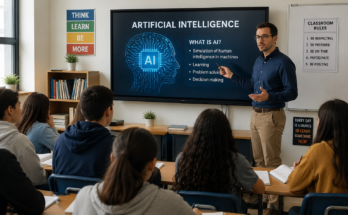
Artificial intelligence is becoming increasingly important in education and professional life. Students should learn how AI tools work and how they can be used responsibly.
AI can help students understand difficult concepts, generate ideas, summarize information, practice languages, and improve productivity. However, students should not depend completely on AI for their academic work.
Learning how to write effective prompts, check AI generated information, protect personal data, and use AI ethically can give students a valuable advantage. AI literacy is likely to become one of the most important technology skills for future careers.
5. Cybersecurity Awareness
Students spend a large amount of time online, which makes cybersecurity knowledge extremely important. Basic cybersecurity skills can help protect personal information, accounts, devices, and academic work.
Students should learn how to create strong passwords, use two factor authentication, identify suspicious links, avoid phishing scams, and keep their software updated. They should also understand why personal information should not be shared carelessly online.
Cybersecurity awareness protects students from many common online threats and helps them become responsible digital users.
6. Data Management
Data management is another useful technology skill for students. Students regularly work with documents, spreadsheets, research information, images, videos, and other digital files.
Learning how to organize files into folders, use meaningful file names, create backups, and manage cloud storage can make academic work much easier.
Students can also learn basic spreadsheet skills to organize information and perform simple calculations. These abilities are useful in education and many professional careers.
7. Communication Technology
Effective digital communication is an essential skill in modern education and employment. Students should know how to communicate professionally through email, video meetings, messaging platforms, and online discussion forums.
Good digital communication means writing clear messages, using appropriate language, responding on time, and understanding online etiquette. Students should also know how to participate professionally in virtual meetings.
These skills become particularly valuable when students participate in online classes, group projects, internships, and remote work.
8. Basic Coding Skills
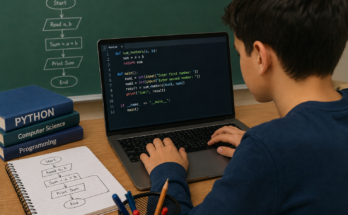
Coding is not only for computer science students. Basic programming knowledge can help students understand how technology works and develop logical thinking.
Students can start with beginner friendly programming languages and educational platforms. Learning basic concepts such as variables, conditions, loops, functions, and problem solving can build a strong foundation.
Coding also encourages creativity. Students can use programming to create simple websites, applications, games, or automation projects. Even basic coding knowledge can be valuable in many careers.
9. Web Development Basics
Understanding how websites work can be useful for students from many academic backgrounds. Basic knowledge of HTML, CSS, and JavaScript can help students create simple web pages and understand online technologies.
Students who learn web development can create personal portfolios, project websites, blogs, and educational resources. These skills can also support students who want to start freelancing or build online businesses.
Web development provides students with both technical and creative opportunities.
10. Presentation and Design Skills
Students frequently need to present ideas through slides, reports, posters, and digital projects. Technology makes it easier to create attractive and professional presentations.
Students should learn how to organize information clearly, choose readable fonts, use images appropriately, and create simple visual designs. They should focus on communicating ideas instead of adding unnecessary effects.
Basic graphic design skills can also help students create social media graphics, project covers, infographics, and other digital content.
11. Video Editing Skills
Video has become a powerful method of communication and learning. Students can benefit from learning basic video editing skills.
They can create educational videos, presentations, tutorials, project demonstrations, and social media content. Basic editing includes cutting clips, adding text, improving audio, and organizing scenes.
Video editing can also become a valuable professional skill for students interested in digital marketing, media, education, content creation, or communication.
12. Cloud Computing Skills
Cloud technology allows users to store and access files and applications through the internet. Students should understand how cloud storage and collaboration tools work.
Cloud platforms make it easier to access academic documents from different devices and collaborate with classmates. Students can work together on projects without being in the same physical location.
Understanding cloud technology also prepares students for workplaces where cloud based systems are commonly used.
13. Problem Solving and Technology Skills
Technology skills are most useful when students know how to solve problems. Students should develop the ability to identify a problem, research possible solutions, test different methods, and choose the most effective option.
For example, if a software application does not work correctly, students can search for the problem, check official support information, and try basic troubleshooting steps.
Technology changes constantly, so problem solving helps students adapt to new tools instead of becoming dependent on one specific application.
14. Digital Collaboration
Modern education often includes group projects and online collaboration. Students should learn how to use shared documents, project management applications, online meeting platforms, and communication tools.
Digital collaboration teaches students how to divide responsibilities, share information, provide feedback, and complete projects together.
These skills are also important because many modern companies allow employees to work remotely or collaborate with people in different locations.
15. Time Management with Technology
Technology can help students manage their time more effectively. Digital calendars, task management applications, reminders, and productivity tools can help students organize their academic responsibilities.
Students can create schedules for classes, assignments, exams, projects, and personal activities. However, technology should be used to improve productivity rather than create more distractions.
Learning how to manage notifications and limit unnecessary screen time is also an important part of effective technology use.
Conclusion
Learning technology skills is essential for students who want to succeed in modern education and future careers. Digital literacy, computer skills, online research, artificial intelligence, cybersecurity, data management, coding, communication, presentation design, video editing, cloud technology, and problem solving can all provide valuable benefits.
Students do not need to master every technology skill at once. They can begin with basic digital skills and gradually develop more advanced abilities according to their interests and career goals. The most important thing is to remain curious and willing to learn.
Technology will continue to change, but students who develop strong technology skills will be better prepared to adapt. By learning how to use digital tools responsibly, creatively, and effectively, students can improve their education today and build stronger opportunities for tomorrow.