Technology has become an important part of modern education. Students today can learn through computers, smartphones, tablets, online platforms, educational applications, and many other digital tools. The traditional classroom is changing because technology gives students new ways to access information and communicate with teachers. In the future, technology will play an even bigger role in education and will make learning more flexible, personalized, interactive, and accessible.
The future of learning will not only be about using digital devices in classrooms. It will also be about using advanced technologies to understand how students learn and provide better learning experiences. Artificial intelligence, virtual reality, online learning platforms, cloud technology, and interactive tools are already changing education. These technologies can help students learn at their own pace and allow teachers to provide more effective support.
Personalized Learning Through Technology
One of the biggest ways technology will shape the future of learning is through personalized education. Every student has different abilities, interests, learning speeds, and educational needs. Traditional classrooms often use the same teaching method for a large group of students, but technology can make learning more individual.
Artificial intelligence can analyze student performance and identify areas where a student needs more practice. Educational platforms can then recommend lessons, exercises, videos, and activities based on individual needs. A student who understands a topic quickly can move forward, while another student can spend more time practicing difficult concepts.
Personalized learning can make education more effective because students receive support according to their own progress. It can also help students become more confident because they can learn without feeling pressured to match the speed of the entire class.
Artificial Intelligence in Education
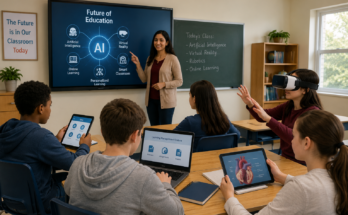
Artificial intelligence will become one of the most important technologies in the future of learning. AI tools can help students find information, understand difficult concepts, practice skills, and receive instant feedback.
Teachers can also use artificial intelligence to create learning materials, prepare quizzes, organize educational content, and understand student performance. AI systems may help identify students who are struggling so teachers can provide additional support.
However, artificial intelligence should be used as a learning assistant rather than a replacement for teachers. Teachers provide human understanding, encouragement, creativity, and emotional support that technology cannot fully replace. The best future learning environment will combine the strengths of teachers with the capabilities of artificial intelligence.
Virtual Reality and Immersive Learning
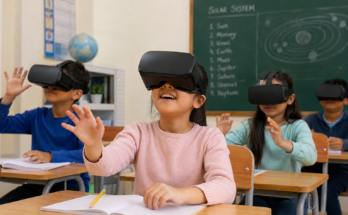
Virtual reality can make learning more engaging by allowing students to experience educational environments instead of only reading about them. For example, students studying history could explore virtual historical locations. Science students could visit virtual laboratories and observe experiments in a safe digital environment.
Virtual reality can also support medical education, engineering, geography, and many other subjects. Students can practice skills in simulated environments before applying them in real life.
This type of immersive learning can make difficult subjects easier to understand because students can see and interact with concepts. Instead of simply reading about a scientific process, students may be able to experience a digital version of that process.
Online Learning Will Continue to Grow
Online learning has already changed the way students access education. In the future, online education will become even more advanced and convenient. Students will be able to attend virtual classes, watch recorded lessons, complete assignments, and communicate with teachers from almost anywhere.
Digital learning platforms can provide access to thousands of educational resources. This can be especially useful for students who live far from educational institutions or have limited access to traditional learning opportunities.
Online learning also gives students greater flexibility. They can often choose when and where they study. This can help students manage education alongside other responsibilities.
Interactive Learning Tools
The future of learning will include more interactive educational tools. Digital quizzes, educational games, simulations, interactive presentations, and learning applications can make lessons more interesting.
Interactive learning encourages students to participate instead of simply listening to a teacher. Students can answer questions, solve problems, complete challenges, and receive immediate feedback.
Educational games can also make learning enjoyable. When students are interested in an activity, they may be more willing to practice and continue learning. Technology can therefore help create a more active and engaging learning environment.
Cloud Technology and Digital Resources
Cloud technology will make educational resources easier to access and share. Students can store assignments, notes, projects, and other learning materials online. Teachers can share documents and educational resources with students without depending entirely on printed materials.
Cloud based learning also makes collaboration easier. Students from different locations can work together on projects and share information in real time.
This can prepare students for modern workplaces where teamwork and digital communication are increasingly important. Learning how to use cloud platforms can therefore become an important technology skill for students.
Better Communication Between Teachers and Students
Technology will also improve communication in education. Teachers can communicate with students through learning management systems, email, video meetings, discussion forums, and educational applications.
Students can ask questions outside traditional classroom hours and receive guidance through digital platforms. Parents can also receive information about academic progress through online systems.
Better communication can create stronger connections between students, teachers, and parents. It can also help identify educational problems earlier and provide students with timely support.
Technology Will Support Teachers
Some people believe that technology will replace teachers in the future, but this is unlikely to be the best approach. Instead, technology will support teachers and reduce repetitive tasks.
Teachers spend a significant amount of time preparing lessons, checking assignments, creating assessments, and organizing information. Digital tools can help automate some of these activities, giving teachers more time to focus on students.
Technology can also provide teachers with useful information about student performance. By studying learning data, teachers can understand which topics students find difficult and adjust their teaching methods accordingly.
Accessibility and Inclusive Education
Technology can make education more accessible to students with different learning needs. Screen readers, speech recognition tools, subtitles, audio lessons, and other assistive technologies can help students participate more effectively.
Students who have difficulty reading can use text to speech tools. Students who have difficulty hearing can benefit from captions and written resources. These technologies can create more inclusive learning environments.
In the future, educational technology may become even more adaptable and provide better support for students with different abilities.
Development of Digital Skills
The future workplace will require strong digital skills. Students need to understand how to use technology responsibly and effectively. Education will therefore focus not only on traditional academic subjects but also on skills such as coding, digital communication, cybersecurity awareness, online research, data analysis, and responsible use of artificial intelligence.
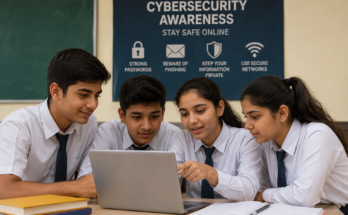
Digital literacy will become an important part of education because students need to understand how to evaluate online information and protect their personal data. Learning how to use technology safely will be just as important as learning how to use it efficiently.
Challenges of Technology in Education
Although technology offers many benefits, it also creates challenges. Not every student has equal access to reliable internet, computers, or modern digital devices. This digital divide can create differences in educational opportunities.
There are also concerns about privacy, online safety, distractions, and excessive screen time. Students need guidance to use technology in a healthy and responsible way.
Schools and governments must work toward providing equal access to digital education. Teachers and parents should also teach students about cybersecurity, privacy, responsible internet use, and digital balance.
The Future Classroom
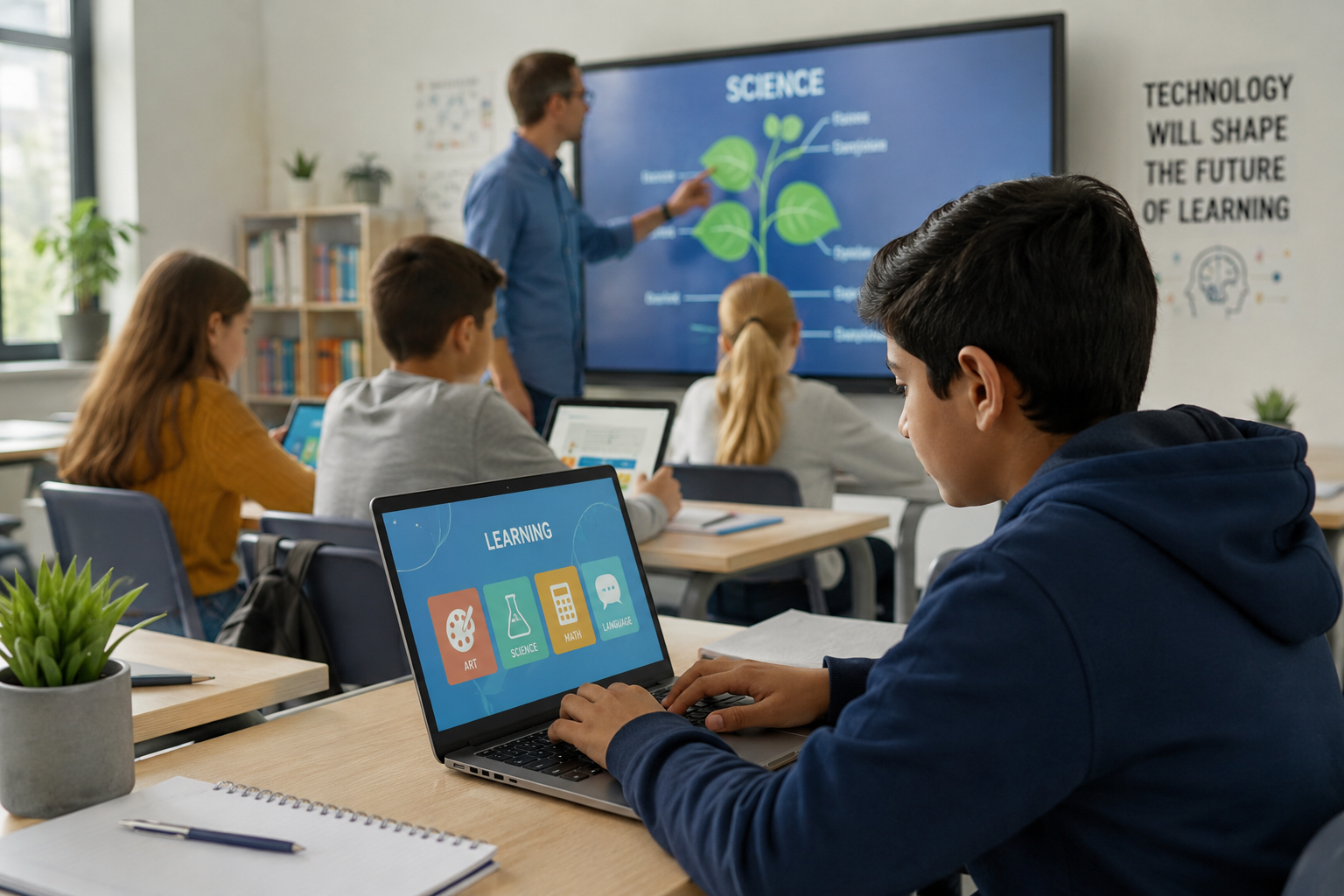
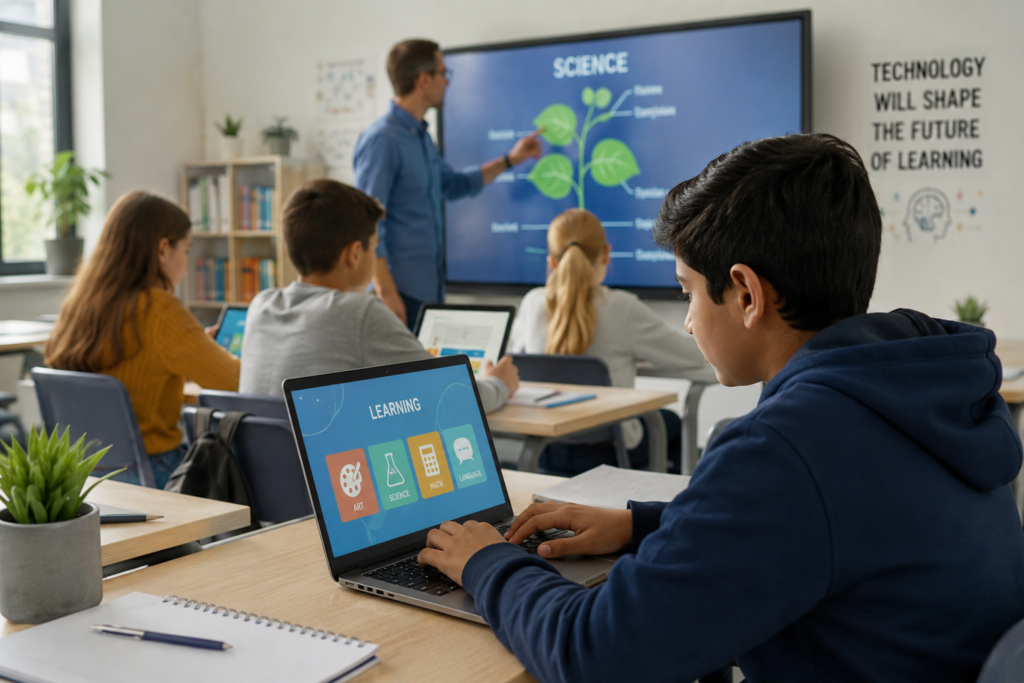
The classroom of the future may look very different from the traditional classroom. Students may use a combination of physical classrooms, online lessons, artificial intelligence tools, virtual reality experiences, and interactive digital resources.
Instead of depending only on textbooks, students may access multimedia lessons, simulations, online libraries, and personalized learning systems. Teachers may become more like learning guides who help students understand information, develop critical thinking skills, and apply knowledge to real world situations.
The future classroom will likely combine technology with human interaction. Technology can provide information and personalized support, while teachers provide motivation, communication, creativity, and guidance.
Conclusion
Technology will shape the future of learning by making education more personalized, flexible, interactive, and accessible. Artificial intelligence can provide personalized support, virtual reality can create immersive experiences, online learning can expand access to education, and digital tools can improve communication between teachers and students.
However, technology should not replace the human side of education. Teachers will continue to play an important role in helping students develop knowledge, confidence, creativity, and critical thinking skills. The most successful future learning environment will combine advanced technology with effective teaching.
As technology continues to develop, students and teachers will need to adapt to new opportunities and challenges. Schools that use technology responsibly can create better learning experiences and prepare students for a digital future. The future of learning will not simply be about using more technology. It will be about using technology in smarter ways to help every student learn, grow, and succeed.