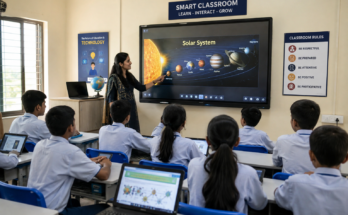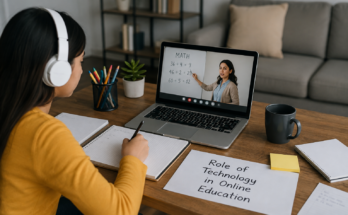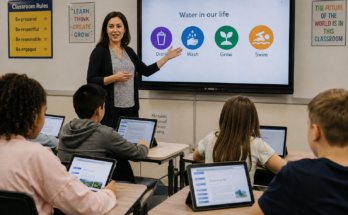
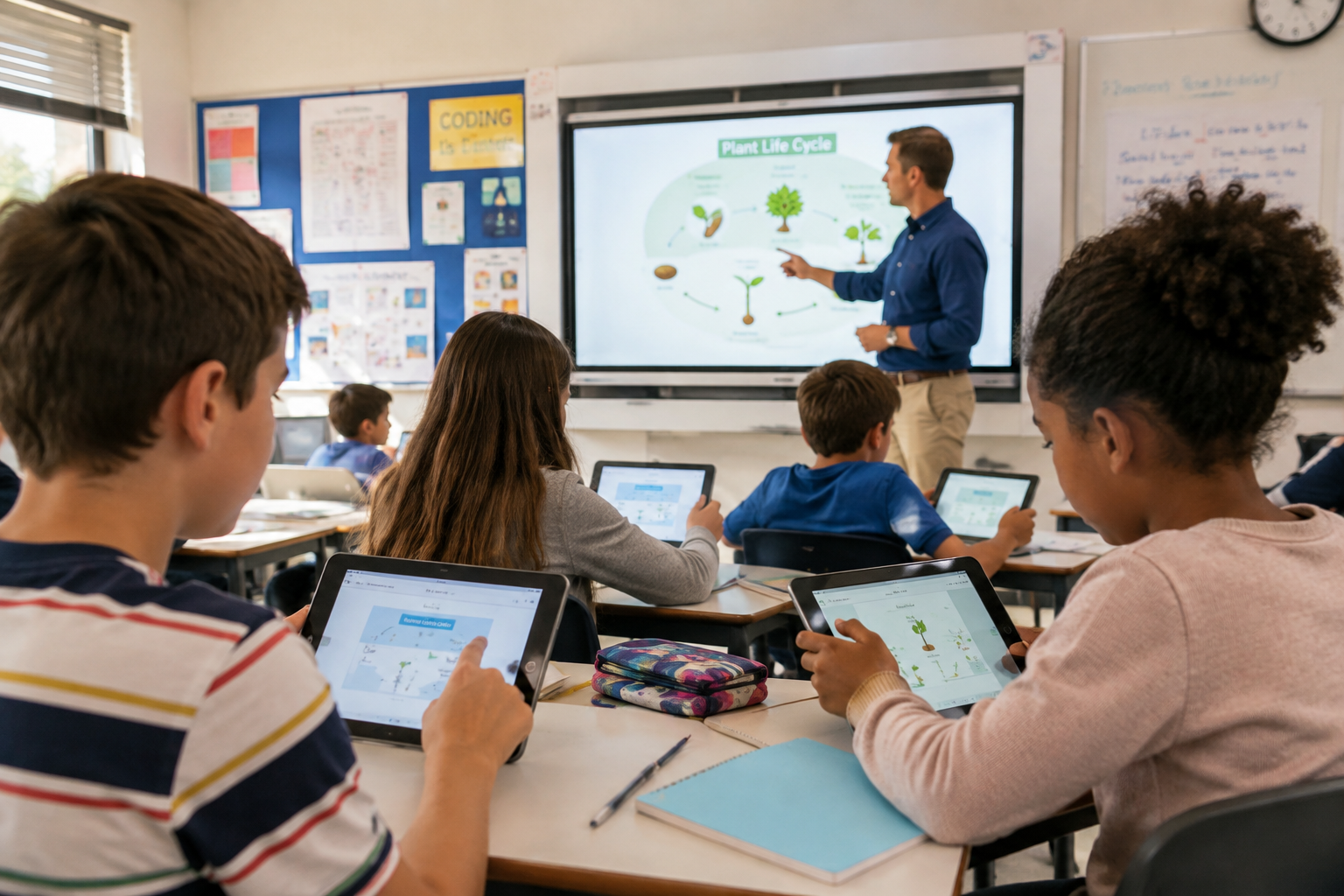
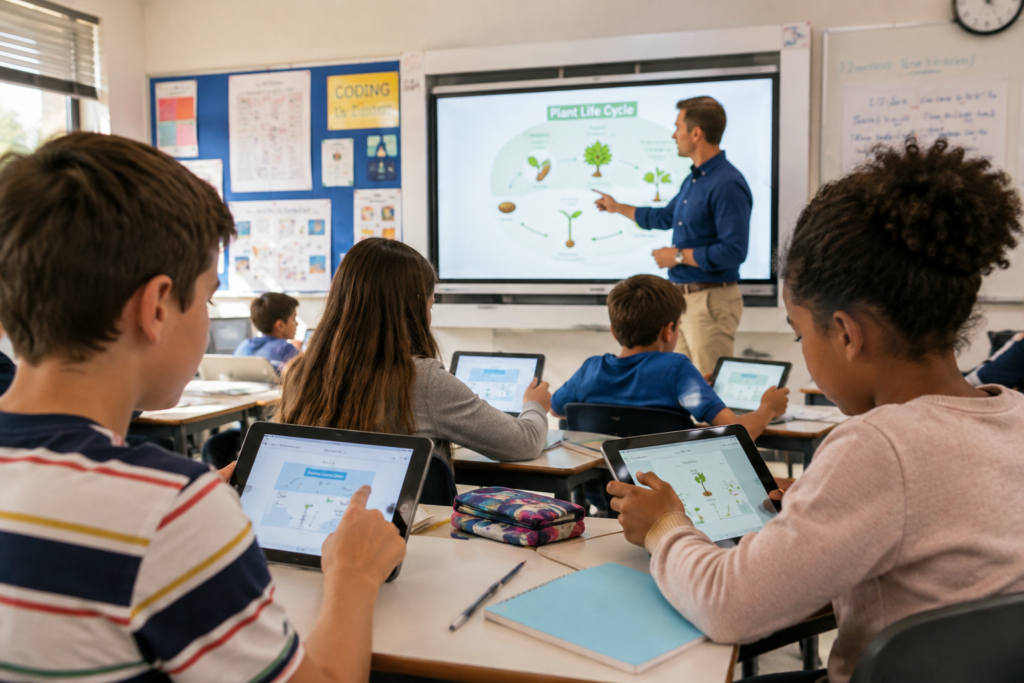
Digital technology has become an important part of modern education. Students today can use computers, tablets, smartphones, educational websites, online libraries, learning applications, and digital classrooms to improve the way they study. Digital tools make learning more accessible, interactive, flexible, and engaging. They also help teachers provide better learning experiences by giving them new ways to explain lessons, communicate with students, and track academic progress.
The use of digital tools in education is not only about replacing books or traditional classrooms. It is about creating better opportunities for students to understand information, practice important skills, find useful resources, and learn according to their individual needs. When technology is used correctly, it can improve student learning and make education more effective.
Easy Access to Learning Resources
One of the biggest advantages of digital tools for students is easy access to educational resources. In the past, students often depended on textbooks and physical libraries to find information. Today, they can access thousands of educational resources within seconds.
Online libraries, educational websites, digital books, research databases, and learning platforms allow students to explore topics beyond their classroom lessons. A student studying science can watch educational videos, read research articles, explore virtual experiments, and use interactive diagrams. This additional information can help students develop a deeper understanding of difficult subjects.
Digital access also allows students to study from different sources. Instead of depending on one textbook, they can compare explanations and examples from multiple educational resources.
Interactive Learning Improves Understanding
Digital tools can make learning more interactive. Traditional teaching methods may sometimes involve listening to a teacher and taking notes for a long period. While this approach can be useful, some students learn better when they actively participate in the lesson.
Educational applications, interactive quizzes, simulations, games, and virtual activities allow students to become more involved in learning. For example, mathematics applications can provide instant practice questions, while science simulations can allow students to explore concepts that may be difficult to demonstrate in a traditional classroom.
Interactive learning can also make complicated subjects easier to understand. Visual demonstrations, animations, charts, and videos can explain concepts in ways that written text alone may not.
Personalized Learning for Different Students
Every student has a different learning style and learning speed. Some students understand a lesson quickly, while others need additional explanations and practice. Digital tools can support personalized learning by allowing students to work at a pace that suits their needs.
Many learning platforms provide different levels of exercises and educational content. Students can repeat lessons, review difficult topics, and practice questions until they feel confident. This flexibility can help students who need more time to understand a particular subject.
Personalized learning can also help advanced students. Instead of waiting for the entire class to move forward, they can explore more challenging lessons and expand their knowledge.
Better Communication Between Teachers and Students
Digital tools have improved communication in education. Teachers can use learning management systems, email, educational applications, and virtual classrooms to communicate with students outside regular classroom hours.
Students can receive assignments, announcements, study materials, and feedback through digital platforms. They can also ask questions and participate in online discussions.
This communication can make the learning process more organized. Students are less likely to miss important information because lessons, assignments, and instructions can be stored digitally and accessed when needed.
Instant Feedback Helps Students Improve
Feedback is an important part of student learning. Students need to know what they are doing correctly and where they need improvement. Digital tools can provide instant feedback on quizzes, exercises, and assignments.
For example, an online mathematics quiz can immediately show whether an answer is correct. If the answer is incorrect, some platforms provide explanations or additional practice questions. This allows students to identify mistakes quickly.
Instant feedback also encourages students to learn from their errors. Instead of waiting several days for a teacher to check an exercise, students can understand their mistakes while the information is still fresh in their minds.
Online Collaboration Builds Important Skills
Digital tools can also support collaboration between students. Online documents, discussion boards, video conferencing platforms, and group learning applications allow students to work together even when they are not in the same location.
Students can share ideas, complete group projects, discuss lessons, and provide feedback to classmates. This type of collaboration helps develop communication, teamwork, problem solving, and organization skills.
These skills are valuable beyond school because modern workplaces also depend heavily on digital communication and teamwork.
Educational Videos Make Difficult Topics Easier
Educational videos are another useful digital learning tool. Some subjects can be difficult to understand through written explanations alone. Videos can combine narration, images, animations, demonstrations, and real examples.
Students can pause, rewind, and replay educational videos whenever necessary. This gives them greater control over their learning experience.
For example, a student learning biology can watch a detailed animation showing how a particular process works. A history student can watch documentaries and historical presentations to gain a better understanding of important events.
Digital Tools Encourage Independent Learning
Technology gives students opportunities to become independent learners. Instead of relying completely on teachers for information, students can search for answers, explore new subjects, and practice skills independently.
Independent learning encourages curiosity and responsibility. Students learn how to find reliable information, organize their study time, and solve problems without always waiting for someone else to provide the answer.
This does not mean teachers become less important. Teachers continue to guide students and help them understand information. Digital tools simply provide additional resources that support the learning process.
Online Learning Provides Greater Flexibility
Digital education tools make learning more flexible. Students can often access lessons and study materials from home, school, libraries, or other suitable locations.
Online courses and recorded lessons are particularly helpful for students who cannot always attend traditional classes. They can study at convenient times and review lessons when necessary.
This flexibility can also help students balance education with other responsibilities. Digital learning allows education to become more adaptable to different schedules and circumstances.
Digital Assessment Helps Track Progress
Teachers can use digital tools to monitor student performance. Online tests, quizzes, assignments, and learning platforms can provide useful information about academic progress.
Teachers can identify areas where students are performing well and subjects where additional support may be needed. This information can help educators make better decisions about teaching strategies.
Students can also benefit from progress tracking. Seeing improvement over time can motivate them to continue working toward their academic goals.
Technology Can Increase Student Engagement
Student engagement is an important factor in successful learning. Digital tools can make lessons more interesting by introducing interactive activities, educational games, videos, challenges, and creative projects.
When students are actively involved in a lesson, they may be more likely to remember the information and participate in classroom activities.
However, technology should be used with a clear educational purpose. Simply using a digital device does not automatically improve learning. Teachers need to select tools that match the learning objectives and students’ needs.
Digital Literacy Prepares Students for the Future
Learning how to use digital tools responsibly is an important part of modern education. Students need digital skills for higher education, professional careers, communication, research, and everyday activities.
By using educational technology, students can learn how to create digital documents, conduct online research, communicate professionally, organize information, and use different software applications.
Digital literacy also teaches students to think carefully about online information. They can learn how to identify trustworthy sources, protect personal information, and use technology responsibly.
Challenges of Using Digital Tools
Although digital tools provide many benefits, they also have some challenges. Not every student has equal access to reliable internet connections or digital devices. Schools and educational institutions need to consider this digital divide when introducing technology.
Distractions can also be a problem. Social media, games, entertainment, and unnecessary notifications can reduce concentration. Students need good time management and responsible technology habits.
Teachers also need proper training so they can use educational technology effectively. The goal should not be to use technology simply because it is available. Digital tools should support clear educational objectives.
Conclusion
Digital tools have changed the way students learn by providing easy access to information, interactive activities, personalized lessons, instant feedback, online collaboration, and flexible learning opportunities. They can make difficult subjects easier to understand and encourage students to become more independent and engaged learners.
Educational technology works best when it supports good teaching rather than replacing teachers. With appropriate guidance, digital tools can help students improve academic performance, develop digital literacy, strengthen communication skills, and prepare for future education and careers.
As technology continues to develop, digital learning will likely become an even more important part of education. Schools, teachers, parents, and students can work together to ensure that technology is used responsibly and effectively. When digital tools are combined with strong teaching methods, they can create a more flexible, engaging, and successful learning experience for students.