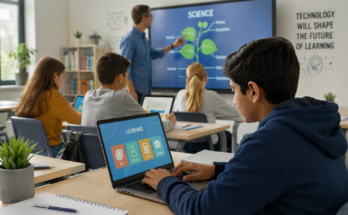
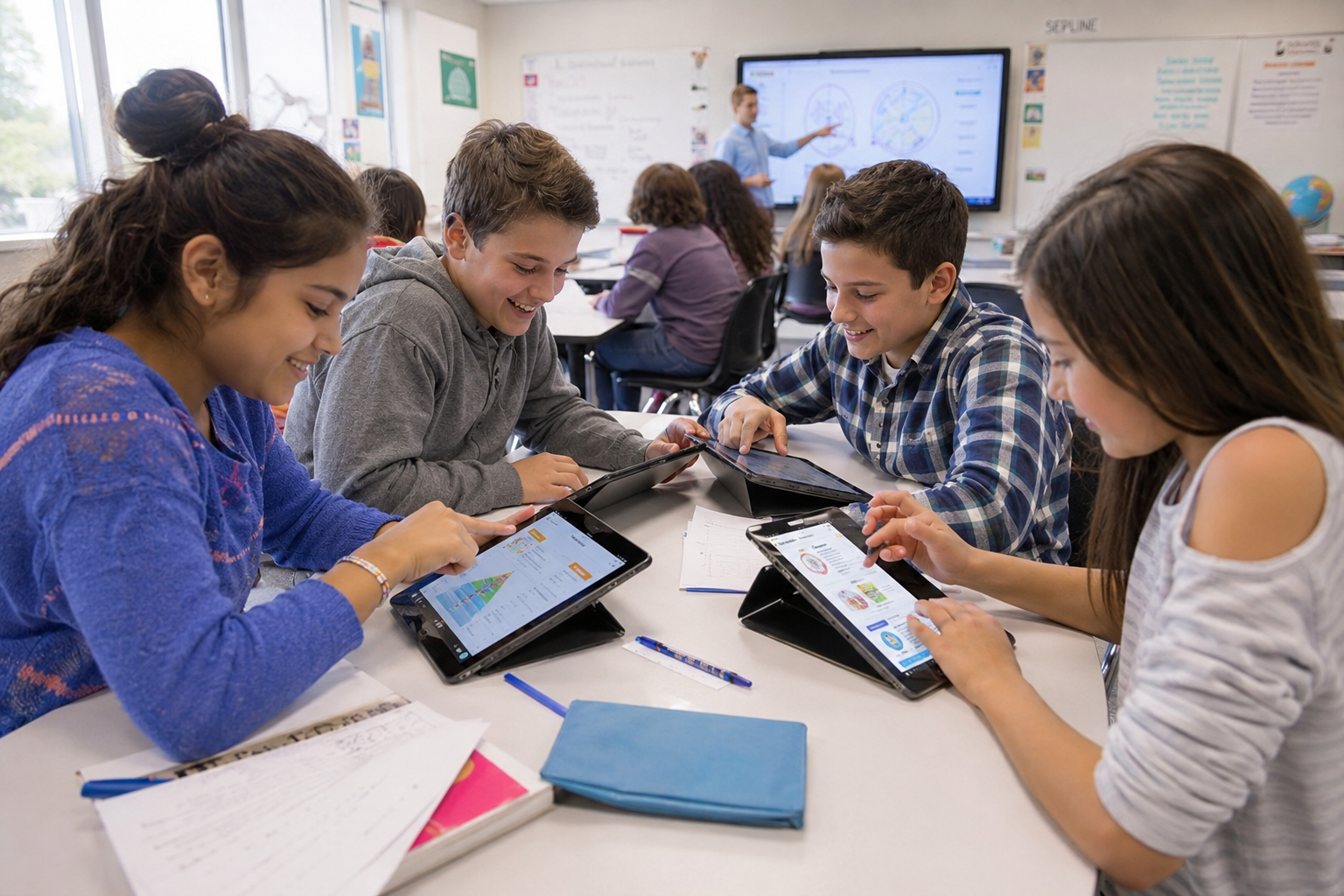
Education has changed a lot with the development of modern technology. In the past, students mostly learned through textbooks, lectures, classroom discussions, and written assignments. These methods are still useful, but technology has introduced new ways to make learning more interesting and effective. Interactive learning tools are now becoming an important part of modern education because they allow students to participate actively in the learning process.
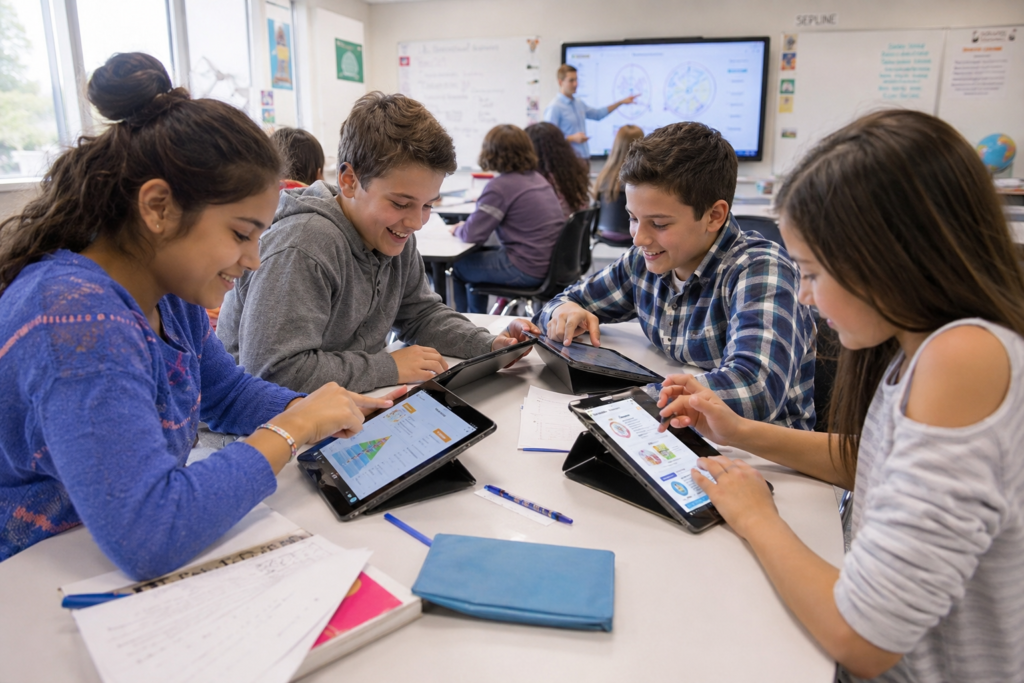
Interactive learning tools include educational apps, online quizzes, digital whiteboards, educational games, virtual classrooms, simulations, videos, interactive presentations, and learning platforms. These tools give students opportunities to explore information, practice skills, answer questions, and receive feedback. Instead of simply listening to a teacher, students can become active participants in their education.
What Are Interactive Learning Tools?
Interactive learning tools are digital or technology based resources that encourage students to take part in learning activities. They are designed to make lessons more engaging by allowing students to click, answer, create, explore, practice, or communicate.
For example, an online quiz can ask students questions and immediately show whether their answers are correct. An educational simulation can allow students to perform virtual experiments without needing a physical laboratory. A learning app can provide practice exercises based on the student’s current level.
The main purpose of interactive learning tools is to create a learning environment where students are not only receiving information but also using it. This active participation can make educational content easier to understand and remember.
Interactive Learning Increases Student Engagement
One of the biggest benefits of interactive learning tools is increased student engagement. Traditional lessons can sometimes become difficult for students when they involve long explanations or large amounts of written information. Interactive activities can make lessons more interesting and encourage students to pay attention.
Educational games, quizzes, videos, and interactive exercises can give students a reason to participate. When students are actively involved, they are more likely to focus on the lesson and become interested in the subject.
For example, a teacher teaching mathematics can use an interactive math application where students solve problems and receive instant results. This can be more engaging than solving every problem only on paper.
Interactive Tools Support Better Understanding
Some subjects can be difficult to understand through text alone. Interactive learning tools can explain complex concepts through animations, diagrams, simulations, and visual examples.
Science is a good example. Students may find it difficult to understand how the solar system works by reading a textbook description. An interactive model can show the movement of planets and allow students to explore different parts of the solar system.
Similarly, geography students can use interactive maps to explore countries, cities, mountains, rivers, and climate zones. These visual and interactive experiences can make difficult information easier to understand.
Immediate Feedback Helps Students Improve
Another important advantage of interactive learning tools is immediate feedback. In a traditional classroom, students may complete an assignment and wait until the teacher checks it. Digital learning tools can provide results almost instantly.
When students receive immediate feedback, they can identify mistakes and correct them while the topic is still fresh in their minds. This helps students understand where they need more practice.
For example, if a student takes an online grammar quiz and gets several answers wrong, the system may show the correct answers and explanations. The student can then review the topic and try again.
Immediate feedback can also motivate students because they can see their progress and understand how they are improving.
Personalized Learning Becomes Easier
Every student learns differently. Some students understand new topics quickly, while others need additional explanations and practice. Interactive learning tools can support personalized learning by allowing students to learn at their own pace.
Many educational platforms provide activities according to a student’s ability. A student who is struggling with a particular topic can repeat exercises until the concept becomes clear. Another student who understands the topic quickly can move to more advanced activities.
This flexibility can help create a better learning experience for students with different abilities and learning preferences.
Interactive Learning Encourages Active Participation
Students learn more effectively when they actively participate in the learning process. Interactive tools encourage students to answer questions, solve problems, complete activities, create projects, and explore information.
For example, instead of simply reading about history, students can use an interactive timeline to explore important events. They can click on different dates, view images, watch videos, and read additional information.
Active participation can help students develop a deeper understanding of a subject because they are working with information instead of simply receiving it.
Technology Makes Learning More Accessible
Interactive learning tools can make education more accessible to students in different locations and situations. Students can use online learning platforms from home, school, libraries, or other places with internet access.
This is especially useful for students who cannot always attend traditional classrooms. Online courses, recorded lessons, digital textbooks, and educational applications can give students additional opportunities to continue learning.
Interactive tools can also provide different types of content, including text, audio, video, images, and activities. This variety can support students who prefer different learning methods.
Interactive Tools Improve Collaboration
Modern education is not only about individual learning. Students also need communication and teamwork skills. Interactive learning platforms can help students work together on projects and classroom activities.
Students can collaborate through shared documents, discussion boards, virtual classrooms, and online project platforms. They can exchange ideas, solve problems together, and provide feedback to their classmates.
Group activities supported by technology can also prepare students for modern workplaces where communication and digital collaboration are important.
Educational Games Make Learning Enjoyable
Educational games are another powerful type of interactive learning tool. Games can turn learning activities into enjoyable challenges. Students may earn points, complete levels, answer questions, or solve problems while learning.
When learning is enjoyable, students may become more willing to practice. Games can also encourage persistence because students often want to try again when they make a mistake.
Educational games should still have clear learning goals. The best games combine entertainment with meaningful educational activities so students are having fun while developing useful knowledge and skills.
Teachers Can Use Interactive Tools More Effectively
Interactive learning tools do not replace teachers. Instead, they can support teachers and make lessons more effective. Teachers can use digital tools to explain topics, create quizzes, monitor progress, and provide additional practice.
For example, a teacher can use an online quiz at the beginning of a lesson to understand what students already know. The teacher can then use the results to decide which topics need more explanation.
Teachers can also use interactive presentations and digital activities to make classroom lessons more dynamic. These tools can save time and provide useful information about student performance.
Interactive Learning Develops Important Skills
Modern education should prepare students for life and future careers, not only examinations. Interactive learning tools can help students develop several important skills.
Students can improve problem solving by completing challenges and simulations. They can develop critical thinking by analyzing information and choosing solutions. Digital activities can also improve communication, creativity, collaboration, and technology skills.
These abilities are valuable because students will likely use technology in higher education, professional environments, and everyday life.
Students Can Learn Through Practice
Practice is an important part of education. Interactive learning platforms can provide repeated opportunities to practice skills. Students can complete exercises several times and learn from their mistakes.
Language learning applications, mathematics platforms, coding websites, and educational games often use practice based activities. Students can continue practicing until they become more confident.
This type of learning can be especially helpful when students need repetition to understand a concept.
Challenges of Interactive Learning Tools
Although interactive learning tools provide many benefits, they also have some challenges. Not every student has equal access to computers, tablets, or reliable internet connections. Schools may also need training and technical support to use digital tools effectively.
Another challenge is distraction. Students can become distracted by entertainment, social media, or unrelated websites when using digital devices. Teachers and parents should therefore help students develop responsible technology habits.
The quality of educational content is also important. Not every online resource provides accurate or useful information. Teachers should select tools carefully and make sure they support clear educational goals.
The Future of Interactive Education
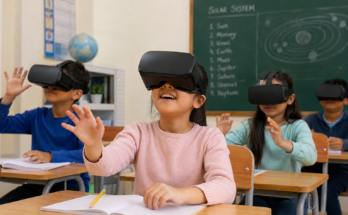
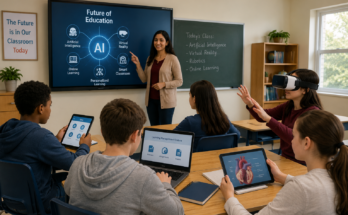
The future of education will likely include even more interactive technology. Artificial intelligence, virtual reality, augmented reality, advanced educational applications, and personalized learning platforms may provide new ways for students to learn.
Virtual reality could allow students to explore historical locations or perform virtual science experiments. Artificial intelligence could provide personalized practice and explanations. Interactive platforms may also become better at understanding student needs and recommending suitable learning activities.
However, technology should always support the main purpose of education. Good teaching still requires human guidance, communication, encouragement, and understanding.
Conclusion
Interactive learning tools are changing the way students learn by making education more engaging, flexible, personalized, and practical. They allow students to participate actively, receive immediate feedback, practice skills, explore difficult concepts, and collaborate with others.
Teachers can also benefit from interactive technology because it can help them create engaging lessons and understand student progress. Although challenges such as access, distraction, and content quality must be considered, the benefits of interactive learning tools can be significant when they are used correctly.
As technology continues to develop, interactive learning will likely become an even more important part of modern education. The combination of skilled teachers and effective technology can create learning experiences that help students understand subjects better, develop useful skills, and become more confident learners.