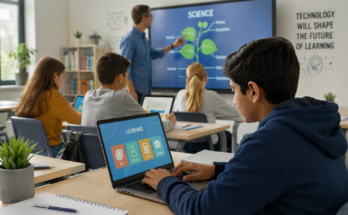
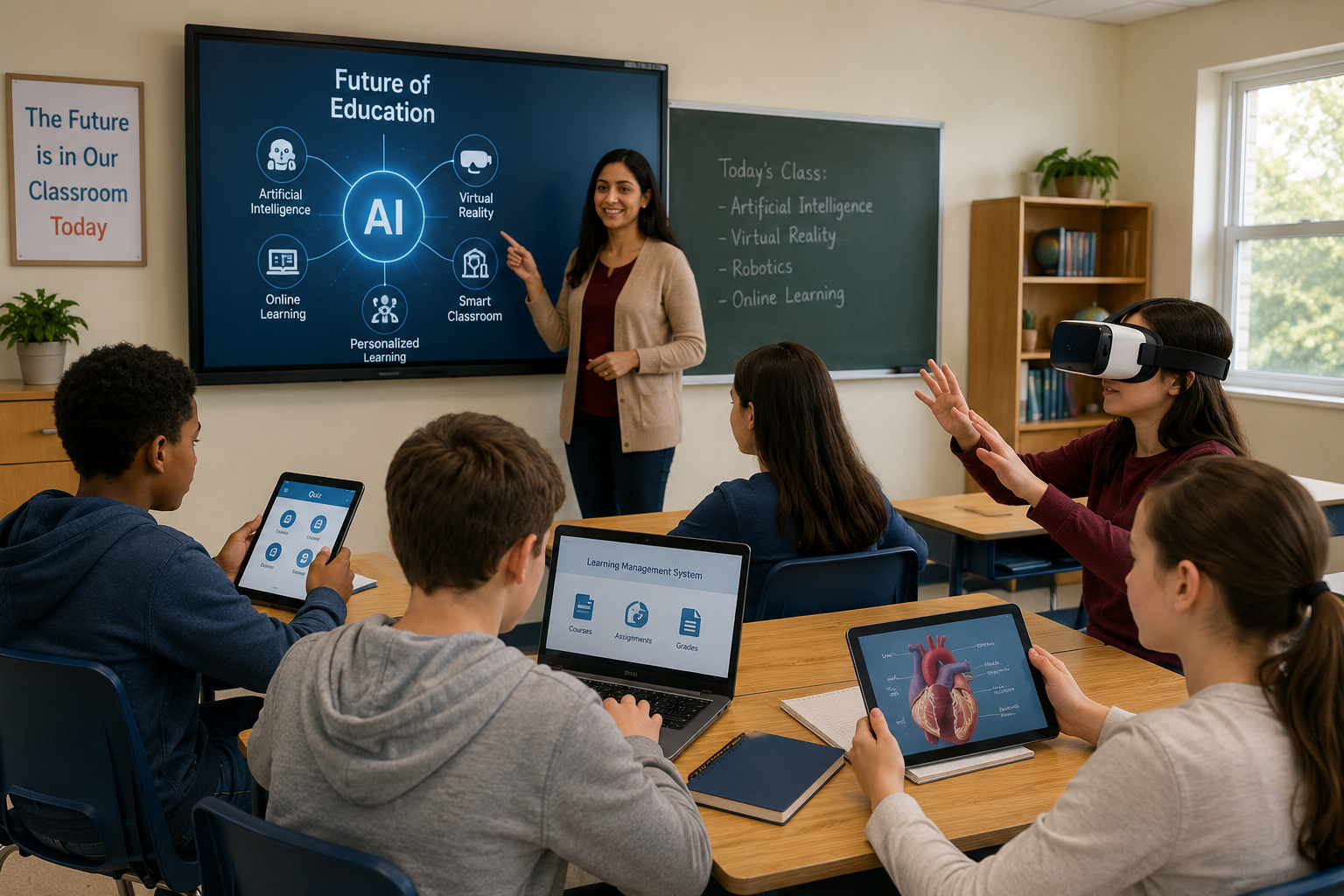
Technology is changing the way students learn, teachers teach, and educational institutions manage learning. In the past, education mainly depended on textbooks, classrooms, and traditional teaching methods. Today, digital tools, online platforms, artificial intelligence, virtual classrooms, and interactive learning systems are becoming an important part of modern education. As technology continues to improve, the future of educational technology is expected to bring even more changes to the learning experience.
The future of educational technology will focus on making education more personalized, flexible, interactive, accessible, and effective. Students will have more opportunities to learn according to their own needs, interests, and learning speed. Teachers will also have better tools to understand student performance and create more effective learning strategies. In this article, we will discuss the major future trends in educational technology and how they may shape the future of education.
Artificial Intelligence in Education
Artificial intelligence is one of the most important future trends in educational technology. AI can help teachers and students in many different ways. Intelligent educational systems can analyze student performance and identify areas where a student needs more practice. This can help create a personalized learning experience for every student.
AI powered tools can also provide instant answers, explanations, practice questions, and learning recommendations. Teachers can use artificial intelligence to prepare lesson materials, create quizzes, analyze student progress, and manage repetitive tasks. In the future, AI may become a regular learning assistant that supports both students and teachers.
However, AI should support teachers rather than completely replace them. Human interaction, creativity, emotional support, and communication will continue to be important parts of education.
Personalized Learning Technology
Every student learns differently. Some students understand a topic quickly, while others need more time and practice. Future educational technology will make personalized learning more common.
Learning platforms can use student data to understand strengths, weaknesses, interests, and learning habits. Based on this information, the system can recommend suitable lessons, exercises, videos, and other resources.
Personalized learning can help students study at their own pace. Instead of following exactly the same learning path, students may receive different activities based on their individual needs. This approach can improve engagement and help students become more confident learners.
Virtual and Augmented Reality
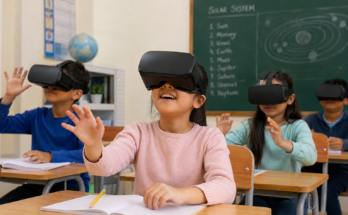
Virtual reality and augmented reality are expected to play a bigger role in education. These technologies can make learning more interactive by allowing students to experience concepts instead of only reading about them.
For example, students studying science could explore the human body through a virtual environment. History students could experience important historical locations through virtual reality. Geography students could explore different parts of the world without leaving their classroom.
Augmented reality can also add digital information to real world objects. Students could use a mobile device to scan a textbook image and see additional animations, models, or explanations. These experiences can make difficult subjects easier and more interesting.
Smart Classrooms
The traditional classroom is also expected to become more connected and intelligent. Smart classrooms can use digital screens, wireless devices, learning platforms, sensors, and other technologies to create a better learning environment.
Teachers may be able to control digital content from a single device and share resources with students instantly. Students can participate in quizzes, discussions, and interactive activities using their own devices.
Smart classroom technology can also help educational institutions collect useful information about classroom activities and student engagement. This information can support better educational planning.
Online and Hybrid Learning
Online education became an important part of modern learning, and its role is expected to continue growing. Future educational technology will make online learning more flexible and interactive.
Students may attend live virtual classes, watch recorded lectures, complete digital assignments, and communicate with teachers through online platforms. Hybrid learning will combine physical classroom education with online resources.
This model can provide students with more flexibility. They can learn from home, school, libraries, or other suitable locations. Online learning can also help students access educational resources that may not be available in their local area.
Gamification in Education
Gamification is another important trend in educational technology. It means using game based elements such as points, levels, challenges, rewards, and achievements in the learning process.
Educational games can make learning more enjoyable and encourage students to participate actively. Instead of simply reading information, students can solve challenges and receive immediate feedback.
In the future, more educational platforms may use gamification to improve student motivation. Properly designed educational games can encourage students to practice regularly and develop problem solving skills.
Learning Analytics and Student Data
Learning analytics will become increasingly important in the future of education. Educational platforms can collect information about student participation, assignment results, quiz performance, and learning behavior.
Teachers can use this information to understand which students are performing well and which students may need additional support. Schools can also use data to identify broader learning trends.
Learning analytics can help educational institutions make better decisions. However, student privacy and data security must remain important priorities. Educational organizations should use student data responsibly and protect personal information.
Digital Skills and Coding Education
Digital skills will become increasingly important as technology becomes a larger part of everyday life. Students will need more than basic computer knowledge. They may need skills in coding, data analysis, cybersecurity, artificial intelligence, digital communication, and online research.
Coding education can help students develop logical thinking and problem solving abilities. It can also introduce students to the technology behind websites, applications, software, and digital services.
In the future, coding and digital literacy may become more common parts of school education. Students can start learning basic programming concepts at an early age and gradually develop more advanced technical skills.
Cloud Based Education
Cloud technology is making it easier for students and teachers to access educational resources from different devices. Instead of storing everything on one computer, learning materials can be stored online and accessed when needed.
Cloud based education allows students to work on assignments from different locations. Teachers can share documents, presentations, videos, and other resources through online platforms.
This technology can also make collaboration easier. Students can work together on projects even when they are not physically in the same classroom.
Robotics and Practical Learning
Robotics is another area that may become more common in education. Educational robots can help students learn programming, engineering, mathematics, and problem solving through practical activities.
Instead of learning only from theoretical explanations, students can build and program robots to complete different tasks. This hands on approach can make technical subjects more engaging.
Robotics education can also encourage creativity and teamwork. Students can work together to design solutions and improve their projects.
Digital Assessments
Traditional exams may also change as educational technology develops. Digital assessments can provide faster results and more detailed information about student performance.
Online quizzes and interactive tests can automatically evaluate answers and provide immediate feedback. Some advanced systems may adjust the difficulty of questions according to student performance.
Digital assessments can save teachers time and help students understand their mistakes more quickly. At the same time, schools will need to ensure that digital testing systems are fair, secure, and accessible.
Increased Focus on Cybersecurity
As education becomes more digital, cybersecurity will become increasingly important. Students, teachers, and schools use online accounts, cloud platforms, digital devices, and educational applications every day.
Future educational technology will need strong security systems to protect student information and prevent unauthorized access. Schools will also need to teach students about safe online behavior, strong passwords, phishing attacks, privacy, and responsible use of technology.
Cybersecurity awareness will become an important part of digital education because technology can only be useful when it is used safely.
Accessible Education Technology
Future technology can also make education more accessible for students with different learning needs. Tools such as speech recognition, text to speech systems, captions, screen readers, and adaptive learning platforms can help students access educational content more easily.
Technology can remove some barriers that students may experience in traditional learning environments. As educational technology develops, accessibility should remain an important part of product and platform design.
The Role of Teachers in Future Education
Even with rapid technological development, teachers will remain essential. Technology can provide information and automate certain tasks, but teachers provide guidance, motivation, communication, creativity, and emotional support.
The role of teachers may change from simply delivering information to becoming learning facilitators and mentors. Teachers will use technology to understand student needs and create more engaging learning experiences.
Professional development will also become important. Teachers will need opportunities to learn how to use new educational technologies effectively and responsibly.
Challenges of Future Educational Technology
Although future educational technology offers many benefits, it also creates challenges. Not every student has equal access to high quality devices, reliable internet, or modern learning platforms. This digital divide can create differences between students.
Privacy is another major concern. Educational technology often depends on student data, so schools and technology providers must protect this information.
There is also a risk that students may become too dependent on technology. Education should maintain a healthy balance between digital tools and human interaction. Teachers and parents should guide students toward responsible technology use.
Conclusion
The future of educational technology is full of opportunities. Artificial intelligence, personalized learning, virtual reality, smart classrooms, online education, gamification, learning analytics, robotics, cloud technology, and digital assessments are expected to transform education in the coming years.
These technologies can make learning more flexible, interactive, personalized, and accessible. However, successful educational technology will require more than advanced tools. Schools will need trained teachers, strong cybersecurity, responsible data management, equal access, and thoughtful planning.
The main goal of future educational technology should not be to replace traditional education completely. Instead, technology should support teachers, improve student experiences, and create better opportunities for learning. When technology and human teaching work together, education can become more effective and prepared for the needs of the future.