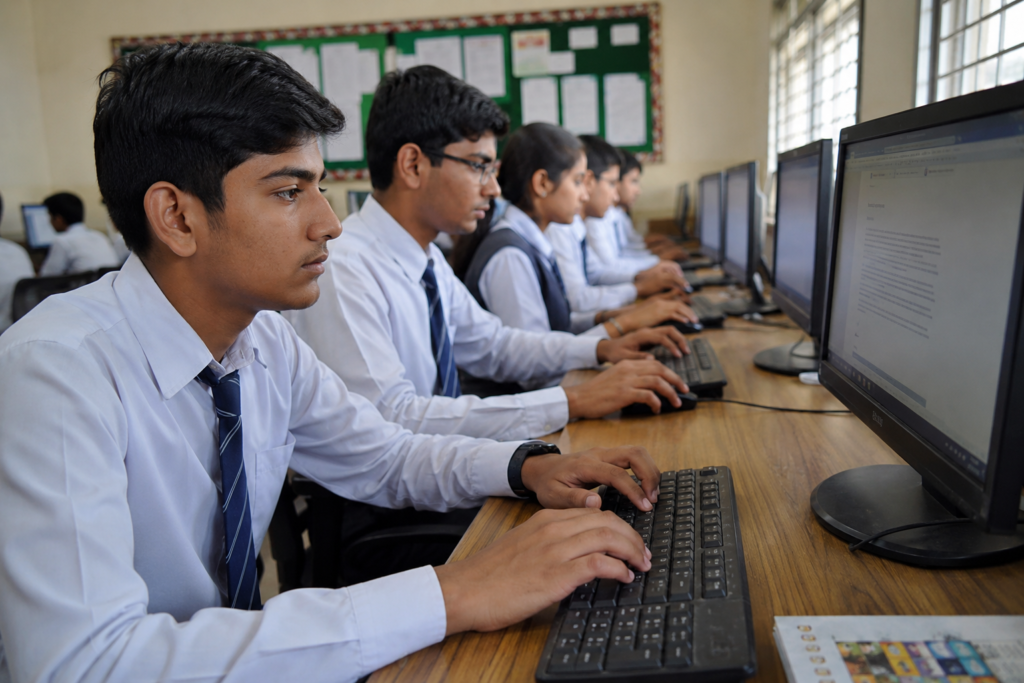
Computer skills have become an important part of modern education. Students today use computers for learning, research, communication, assignments, presentations, online classes, and many other educational activities. Teachers also depend on computers to prepare lessons, manage classroom activities, create learning materials, and communicate with students. As technology continues to develop, having good computer skills is no longer an extra advantage. It is becoming an essential part of successful education.
The importance of computer skills in education can be seen at every level of learning. From primary school students to university learners, computers provide useful opportunities to improve knowledge and develop practical abilities. Students who understand how to use computers effectively can find information faster, complete academic tasks more efficiently, and prepare themselves for future careers. For this reason, computer education should be an important part of every modern learning environment.
What Are Computer Skills?
Computer skills refer to the ability to use computers and digital tools effectively. These skills can include basic activities such as typing, using a keyboard and mouse, managing files, browsing the internet, and using common software. More advanced computer skills can include creating presentations, working with spreadsheets, editing documents, using educational applications, conducting online research, and understanding basic programming.
For students, computer skills are not only about knowing how to operate a computer. They also involve knowing how to use technology responsibly and efficiently. Students need to understand how to find reliable information, protect their personal data, communicate online, and use digital resources for educational purposes.
Computer Skills Improve Learning
One of the biggest benefits of computer skills in education is improved learning. Computers give students access to a huge amount of educational information. Instead of depending only on textbooks, students can explore websites, digital libraries, educational videos, online courses, and interactive learning resources.
For example, a student studying science can watch educational videos about the human body or explore interactive diagrams. A student learning mathematics can use educational software to practice difficult problems. These resources can make complicated topics easier to understand.
Computer skills also allow students to learn at their own pace. If a student does not understand a lesson, they can search for additional explanations or practice exercises. This creates a more flexible learning experience and encourages students to become independent learners.
Easy Access to Educational Information
The internet has changed the way students collect information. In the past, students often depended on libraries and printed books for research. Libraries are still valuable, but computers provide much faster access to educational resources.
Students can search for academic articles, research papers, digital books, educational websites, and online courses within minutes. This makes research easier and gives students opportunities to explore subjects beyond their classroom lessons.
However, students must also learn how to identify trustworthy information. Not everything available online is accurate. Strong computer skills include the ability to compare sources, check information, recognize misleading content, and use reliable websites.
Better Communication Between Students and Teachers
Computer skills also improve communication in education. Students and teachers can communicate through email, learning management systems, video meetings, and educational platforms.
Teachers can share assignments, announcements, study materials, and feedback online. Students can submit their work digitally and ask questions when they need help. This makes communication faster and more convenient.
Online communication is especially useful for students who study through distance learning or online education. Good computer skills help students participate in virtual classrooms, communicate with teachers, and complete their academic responsibilities without unnecessary difficulty.
Development of Research Skills
Research is an important part of education, especially at higher levels. Computer skills help students conduct research more effectively. They can use search engines, academic databases, digital libraries, and research tools to collect information.
Students can also organize their research using digital documents and note taking applications. They can create folders for different subjects, save important resources, and manage their academic files.
Learning how to conduct online research also develops critical thinking. Students need to decide which information is useful, compare different sources, and understand whether a source is reliable. These skills are valuable not only in education but also in everyday life.
Computer Skills Help Students Complete Assignments
Many modern educational assignments require computers. Students may need to write essays, prepare presentations, create spreadsheets, design projects, or submit homework through online platforms.
Knowledge of word processing software helps students create professional documents. Presentation software allows them to prepare attractive presentations. Spreadsheet programs can help students organize data and perform calculations.
When students have strong computer skills, they can focus more on the quality of their academic work instead of struggling with basic technology.
Preparation for Future Careers
Another major reason for the importance of computer skills in education is career preparation. Almost every modern industry uses computers in some way. Businesses, hospitals, schools, banks, engineering companies, media organizations, and government departments all depend on digital technology.
Students who develop computer skills during their education can enter the workplace with greater confidence. Basic digital knowledge is expected in many jobs, while advanced skills can create even more career opportunities.
Students who learn programming, data analysis, graphic design, digital marketing, cybersecurity, or other technology related skills may discover career paths that were not possible in traditional learning environments.
Encourages Creativity
Computers can also help students become more creative. Students can use digital tools to create presentations, videos, graphics, websites, animations, and other projects.
Creative technology based activities allow students to express their ideas in different ways. Instead of only writing about a topic, a student can create a video presentation or an interactive project.
This can make learning more interesting and encourage students to experiment with new ideas. Computer skills therefore support both academic learning and creative development.
Supports Online and Remote Education
Online education has become an important part of modern learning. Students may attend virtual classes, watch recorded lectures, complete online quizzes, and communicate with teachers through digital platforms.
Without basic computer skills, online education can become difficult. Students need to know how to join virtual classes, upload assignments, download learning materials, use online discussion platforms, and solve basic technical problems.
Good computer knowledge makes online learning more comfortable and productive. It also gives students greater flexibility because they can access learning materials from different locations.
Improves Digital Literacy
Computer skills are an important part of digital literacy. Digital literacy means having the knowledge and ability to use digital technology safely, effectively, and responsibly.
Students need digital literacy because technology is part of everyday life. They should understand online privacy, strong passwords, safe browsing, responsible communication, and protection against online scams.
Schools can help students develop these skills by teaching responsible technology use from an early age. This can help students become more confident and careful digital citizens.
Saves Time and Increases Productivity
Computer skills can save students a significant amount of time. Typing is usually faster than writing long assignments by hand. Digital documents can be edited easily without rewriting an entire page.
Students can also use calendars, reminders, note taking applications, and file management tools to organize their academic responsibilities. Better organization can reduce stress and help students meet deadlines.
When students know how to use technology efficiently, they can spend more time understanding their subjects and developing their knowledge.
Supports Collaborative Learning
Computers make it easier for students to work together. Several students can collaborate on digital documents, presentations, research projects, and other assignments.
Online collaboration allows students to share ideas, provide feedback, and divide responsibilities. These activities also develop teamwork and communication skills.
Collaborative technology prepares students for modern workplaces where employees often work with digital tools and communicate with team members from different locations.
Role of Teachers in Developing Computer Skills
Teachers play an important role in helping students develop computer skills. Schools should provide students with opportunities to use computers regularly instead of treating computer education as a separate activity only.
Teachers can include digital assignments, online research activities, presentations, educational software, and interactive learning tools in their lessons. They can also teach students how to evaluate online information and use technology responsibly.
Teachers themselves should continue improving their digital skills so they can introduce useful technologies into the classroom effectively.
Importance of Computer Skills for Students
Computer skills give students confidence. When students understand how technology works, they are more willing to explore new educational tools and solve problems independently.
These skills also prepare students for lifelong learning. Technology continues to change, and students who know how to learn new digital tools can adapt more easily to future developments.
Computer skills can therefore support academic success, personal development, communication, creativity, research, and career preparation.
Conclusion
The importance of computer skills in education continues to grow as technology becomes a central part of modern learning. Computers help students access information, complete assignments, communicate with teachers, conduct research, develop creativity, participate in online education, and prepare for future careers.
Schools and teachers should give students regular opportunities to develop practical computer skills. Students should also take responsibility for improving their digital knowledge through practice and continuous learning.
Computer skills are no longer only useful for technology related careers. They are valuable for almost every field of education and employment. By developing strong computer skills, students can become more productive learners, confident technology users, and better prepared professionals for the future.