Education has changed greatly with the growth of technology. Traditional classrooms are no longer the only place where students can learn. Today, virtual classrooms have become an important part of modern education because they allow students and teachers to connect through the internet from different locations. With a computer, tablet, or smartphone and a reliable internet connection, students can attend lessons, communicate with teachers, complete assignments, and access learning resources online.
Virtual classrooms support modern education by making learning more flexible, accessible, interactive, and convenient. They also provide new opportunities for students who may not always be able to attend a traditional classroom. As digital education continues to grow, understanding the importance of virtual classrooms can help students, teachers, parents, and educational institutions make better use of modern learning technology.
What Is a Virtual Classroom?
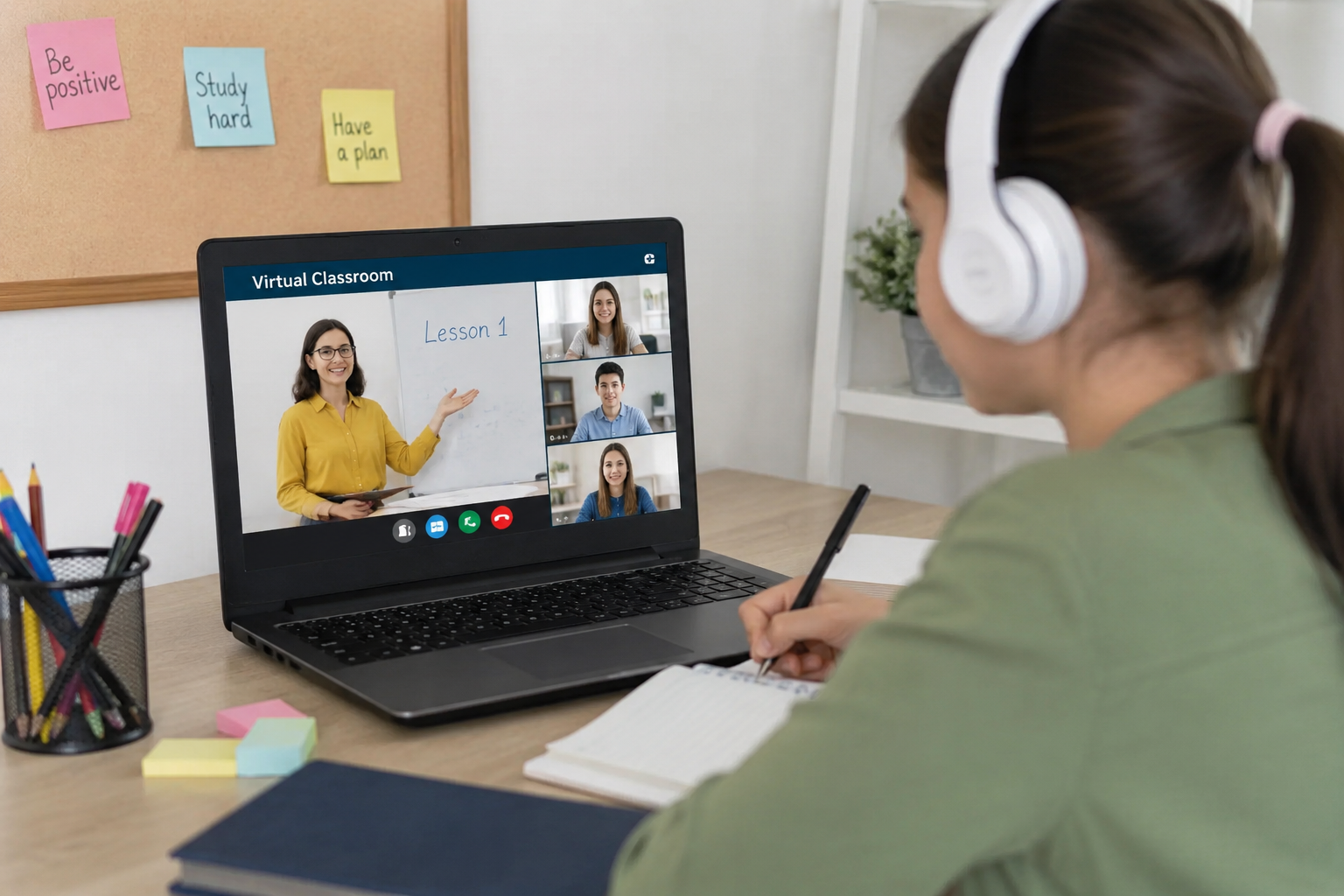
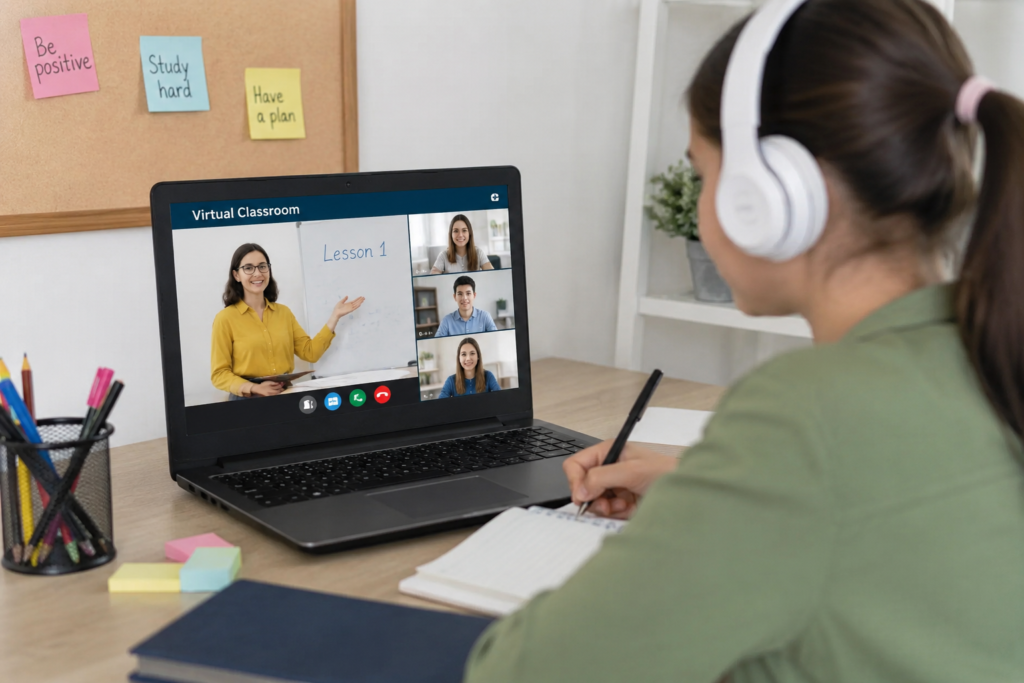
A virtual classroom is an online learning environment where teachers and students interact using digital platforms. It can include live video classes, online discussions, digital presentations, recorded lectures, quizzes, assignments, and educational resources.
Unlike a traditional classroom, a virtual classroom does not require everyone to be physically present in the same location. Students can join lessons from home, school, a library, or another suitable place. This flexibility makes virtual learning useful for different types of learners.
Many virtual classrooms also allow teachers to share documents, presentations, videos, images, and other learning materials. Students can submit their work online and receive feedback without needing to print documents or visit the school.
Flexible Learning Opportunities
One of the biggest benefits of virtual classrooms is flexibility. Modern students have different schedules, responsibilities, learning speeds, and personal needs. Online education can provide greater freedom compared with traditional classroom learning.
Students can attend online classes from almost anywhere. This can be especially helpful for students who live far from educational institutions or cannot regularly travel to school or college. Recorded lessons can also help students review topics at a convenient time.
Flexible learning does not mean students should avoid having a schedule. In fact, creating a regular study routine is important for success. However, virtual classrooms give students more control over when and where they study.
Better Access to Education
Virtual classrooms can help improve access to education. In some areas, students may have limited access to experienced teachers, specialized subjects, or quality educational resources. Online learning can connect students with teachers and courses that may not be available in their local communities.
This is one reason virtual classrooms are becoming increasingly valuable in modern education. A student can potentially learn from an instructor located in another city or country without moving away from home.
Virtual education can also support students who face difficulties attending physical classrooms. When learning materials and lessons are available online, students may have more opportunities to continue their education.
Improved Student Engagement
Virtual classrooms can make learning more engaging when teachers use digital tools effectively. Instead of relying only on textbooks and lectures, teachers can include videos, presentations, online quizzes, educational games, digital whiteboards, and interactive activities.
These resources can help explain difficult concepts in different ways. For example, a science teacher can use an educational animation to explain a complex process, while a language teacher can use online audio and video activities to improve communication skills.
Interactive learning can encourage students to participate instead of simply listening. Polls, quizzes, questions, and group discussions can make online classes more active and interesting.
Easy Communication Between Students and Teachers
Communication is an important part of education. Virtual classrooms provide several ways for students and teachers to communicate. Students can ask questions during live classes, send messages, participate in discussion forums, or submit questions through learning platforms.
Teachers can also provide feedback on assignments and guide students when they experience difficulties. This communication can continue outside regular class hours when appropriate.
Online communication also gives some students more confidence to participate. A student who may hesitate to speak in a crowded physical classroom might feel more comfortable asking a question through an online discussion or message.
Access to Digital Learning Resources
Another important advantage of virtual classrooms is easy access to digital learning materials. Teachers can provide students with electronic books, articles, presentations, videos, worksheets, practice tests, and other resources.
Students do not always need to depend on a single textbook. They can explore multiple resources to understand a subject more deeply.
Digital resources can also be updated more easily than printed materials. This can be particularly useful for subjects that change quickly because of new discoveries, technologies, or developments.
Supports Different Learning Styles
Every student learns differently. Some students understand information better through reading, while others learn more effectively through videos, demonstrations, discussions, or practical activities.
Virtual classrooms can support different learning styles by providing multiple types of content. A lesson might include written notes, a video explanation, an audio recording, an interactive quiz, and a practical assignment.
This variety can help students find learning methods that work best for them. It can also encourage students to become more independent learners who understand how they learn most effectively.
Encourages Independent Learning
Modern education is not only about memorizing information. Students also need to develop research, problem solving, communication, and self management skills. Virtual classrooms can encourage these abilities.
Students often need to organize their schedules, remember assignment deadlines, review learning materials, and complete tasks independently. These responsibilities can help students develop discipline and time management skills.
Independent learning is especially important for higher education and professional life. People often need to learn new skills throughout their careers, and experience with online education can make lifelong learning easier.
Saves Time and Reduces Certain Costs
Virtual classrooms can save time because students do not always need to travel to a physical school or training center. Teachers can also manage some learning activities digitally.
Online education may reduce certain costs related to transportation, printed materials, and physical classroom resources. However, students still need suitable devices and internet access, so virtual education is not completely free from costs.
Educational institutions can also use virtual classrooms to provide courses to larger groups of students. This can make digital education a useful option for organizations that want to expand their educational programs.
Supports Collaboration
Virtual classrooms can support teamwork even when students are not physically together. Students can work on group projects using online documents, discussion boards, video meetings, and other collaboration tools.
This experience can prepare students for modern workplaces where employees often communicate and work with colleagues remotely.
Online collaboration also allows students from different locations and backgrounds to work together. This can expose them to different ideas and perspectives, helping develop communication and teamwork skills.
Challenges of Virtual Classrooms
Although virtual classrooms provide many benefits, they also have challenges. Internet problems, limited access to devices, technical difficulties, and distractions at home can affect learning.
Some students may also struggle with time management or motivation when they do not have a traditional classroom environment. Teachers need to design clear lessons, provide regular feedback, and maintain communication to keep students involved.
Digital literacy is another important requirement. Students need to know how to use online platforms responsibly and safely. Teachers also need proper training to use educational technology effectively.
These challenges do not mean virtual classrooms are ineffective. Instead, they show why schools and educational institutions need proper planning, technical support, teacher training, and student guidance.
The Role of Teachers in Virtual Education
Teachers remain extremely important in virtual classrooms. Technology can provide useful tools, but it cannot replace effective teaching.
A good online teacher creates clear lessons, encourages participation, answers questions, provides feedback, and supports students who need additional help. Teachers can also use student performance data from digital platforms to identify areas where learners may need more practice.
The best virtual classrooms combine technology with strong teaching methods. When teachers understand how to use digital tools for educational purposes, online learning can become more meaningful and effective.
The Future of Virtual Classrooms
The future of education is likely to include a combination of traditional and digital learning. Virtual classrooms can work alongside physical classrooms to create blended learning environments.
Technology such as artificial intelligence, virtual reality, interactive simulations, and advanced learning platforms may provide even more opportunities for personalized education. Students could receive learning activities based on their progress and educational needs.
However, the purpose of technology should always be to improve learning. Modern education should focus on helping students understand concepts, develop useful skills, communicate effectively, and become confident lifelong learners.
Conclusion
Virtual classrooms support modern education by making learning more flexible, accessible, interactive, and convenient. They give students opportunities to learn from different locations, access digital resources, communicate with teachers, collaborate with classmates, and develop independent learning skills.
Although online education has challenges, proper planning and effective use of technology can reduce many of these difficulties. Virtual classrooms are not simply a replacement for traditional education. They are an additional learning environment that can expand educational opportunities and support the changing needs of modern students.
As technology continues to develop, virtual classrooms will likely remain an important part of modern education. Their greatest value comes from combining digital tools with effective teaching, meaningful interaction, and a strong focus on student learning.