Online classes have become an important part of modern education. Students can attend lessons from home, access learning materials easily, and communicate with teachers through digital platforms. However, staying focused during online classes can sometimes be difficult. Home environments often contain many distractions, and students may feel tempted to check social media, watch videos, play games, or use their phones while a lesson is taking place.
Learning how to stay focused during online classes can improve concentration, understanding, memory, and academic performance. With a few simple habits and a suitable study environment, students can make online learning more productive and enjoyable.
Create a Dedicated Study Space
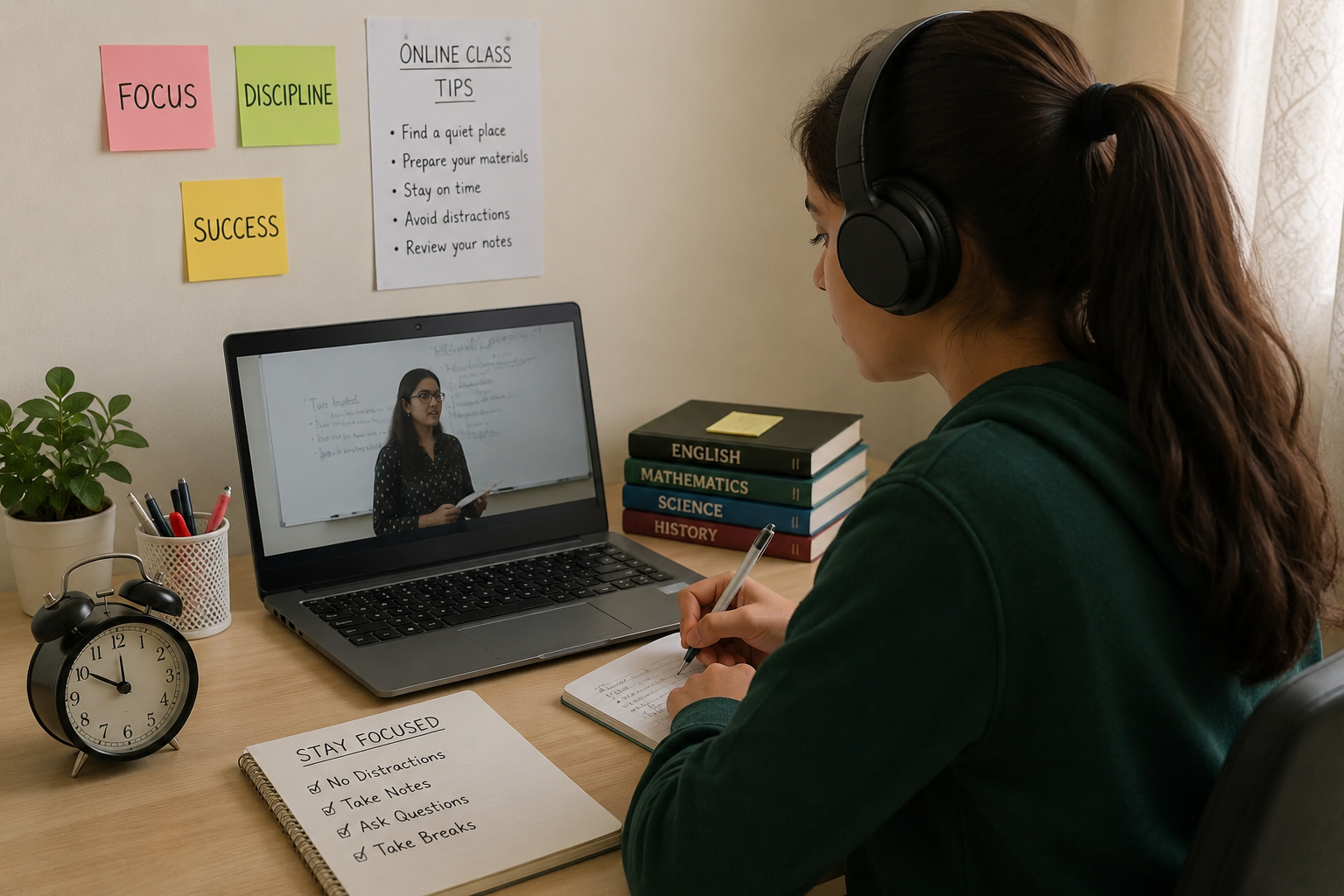
One of the best ways to stay focused during online classes is to create a dedicated study space. Students should choose a quiet and comfortable area where they can attend classes without unnecessary interruptions. A desk and chair are usually better than studying from a bed because they help create a learning mindset.
Keep the study area clean and organized. Remove unnecessary items from the desk and keep only the things needed for the class. Books, notebooks, pens, headphones, and a computer should be easily available.
A dedicated study space also helps the brain understand that it is time to learn. When students use the same place for studying regularly, they may find it easier to concentrate when an online class begins.
Remove Digital Distractions
Digital distractions are one of the biggest challenges during online classes. Students may receive notifications from social media apps, messaging platforms, games, and other websites. Even a small notification can interrupt concentration.
Before starting an online class, turn off unnecessary notifications. Close social media websites and other tabs that are not related to the lesson. If possible, put the phone on silent mode and keep it away from the study area.
Students should also avoid using entertainment websites during class. Staying away from distractions allows the mind to remain focused on the teacher and learning material.
Follow a Regular Class Schedule
A regular schedule can make online learning much easier. Students should know when their classes start and prepare a few minutes before the lesson begins. Joining a class at the last moment can create stress and make it harder to focus.
Create a daily online learning routine that includes class time, study time, breaks, meals, and personal activities. Following a consistent routine helps students develop discipline.
A good schedule should also include enough time for rest. Studying continuously for many hours can reduce concentration. Short breaks between learning sessions can help refresh the mind.
Take Active Notes
Taking notes is an effective way to stay focused during online classes. Instead of simply listening to the teacher, students should write down important information, key ideas, examples, and questions.
Active note taking keeps the brain involved in the lesson. It also gives students useful material to review later.
Students do not need to write every word spoken by the teacher. Instead, they should focus on the main points. Using headings, short sentences, keywords, and simple explanations can make notes easier to understand.
Digital note taking can also be useful, but students should choose the method that helps them concentrate best.
Participate in the Class
Active participation can improve focus during online classes. Students should ask questions, answer questions, join discussions, and complete activities when teachers provide them.
When students actively participate, they are less likely to become bored or distracted. Participation also helps students understand difficult topics more clearly.
If the class allows cameras and microphones, students can use them when appropriate. Seeing the teacher and other students can create a more classroom like experience.
Even when students prefer not to speak, they can participate through chat messages, quizzes, polls, or written activities.
Use Headphones When Helpful
Noise from family members, television, traffic, or other activities can make online learning difficult. Using headphones can reduce background noise and help students hear the teacher more clearly.
Students should choose comfortable headphones that do not cause discomfort during longer classes. However, headphones are not always necessary. If the study environment is already quiet, normal computer speakers may work well.
The goal is to create an environment where the student’s attention stays on the lesson.
Take Short Breaks
Taking short breaks is important for maintaining concentration. The brain can become tired when students focus on a screen for a long time.
During a break, students can stand up, walk around, drink water, stretch, or look away from the screen. A short break can help reduce mental tiredness and prepare the student for the next lesson.
Students should avoid spending the entire break on social media because it can become difficult to return to the class afterward. A simple physical activity is often a better choice.
Get Enough Sleep
Sleep has a major effect on concentration and learning. Students who do not get enough sleep may feel tired during online classes and struggle to understand lessons.
A healthy sleep routine can help students remain alert during the day. Try to sleep and wake up at consistent times. Avoid staying awake late at night for unnecessary entertainment when an important class is scheduled the next morning.
Good sleep supports memory, attention, and overall learning ability. Students should therefore consider sleep an important part of their education.
Stay Hydrated and Eat Properly
Food and water can also affect concentration. Students should drink enough water throughout the day and eat balanced meals.
Joining an online class while feeling extremely hungry can make it difficult to focus. On the other hand, eating heavy meals immediately before class may make students feel sleepy.
Keeping water nearby during class is a simple habit that can help students stay comfortable and attentive.
Avoid Multitasking
Many students believe they can attend an online class while doing other activities. They may watch television, play games, chat with friends, or browse websites at the same time. However, multitasking can reduce attention and make learning less effective.
Students should give their full attention to one learning activity at a time. When the class is finished, they can move on to other activities.
Focused learning may also help students finish assignments faster because they understand the material better during the lesson.
Set Small Learning Goals
Setting small goals can make online classes more engaging. Before a lesson starts, students can decide what they want to understand or complete during the class.
For example, a student may set a goal to understand a difficult concept, take useful notes, answer two questions, or complete a class activity.
Small goals provide a sense of progress and encourage students to remain involved throughout the lesson.
Use Technology Wisely
Technology is an important part of online education, but students need to use it responsibly. Learning platforms, educational videos, digital textbooks, online quizzes, and note taking applications can make learning easier.
At the same time, technology can become a source of distraction. Students should use only the digital tools required for the lesson whenever possible.
Organizing files and bookmarks can also save time. Keeping educational resources in clearly labeled folders makes it easier to find important material when needed.
Review Lessons After Class
Reviewing class material after the lesson can improve understanding and memory. Students can spend a few minutes reading their notes and identifying areas they do not understand.
If a topic is difficult, students can research it using reliable educational resources or ask their teacher for clarification.
Regular review also reduces the pressure of studying everything before an examination. Learning a little every day is often easier than trying to remember a large amount of information at once.
Communicate With Teachers and Classmates
Online learning does not mean students have to study alone. Communication with teachers and classmates can make online classes more interactive.
Students should feel comfortable asking teachers for help when they do not understand something. They can also discuss lessons with classmates and work together on suitable academic activities.
Communication can increase motivation and help students feel connected to their learning community.
Conclusion
Staying focused during online classes requires discipline, preparation, and good study habits. Creating a dedicated study space, removing digital distractions, following a regular schedule, taking active notes, participating in lessons, and taking short breaks can significantly improve concentration.
Students should also get enough sleep, drink water, eat properly, avoid multitasking, and review their lessons regularly. Technology can make education easier, but it should be used carefully to support learning rather than create distractions.
Online education provides students with flexibility and access to valuable learning opportunities. By developing strong concentration habits, students can make the most of every online class and achieve better learning results. The key is to create a routine that supports focus and follow it consistently. With practice, staying focused during online classes can become a natural and effective part of the learning experience.