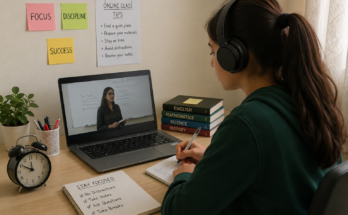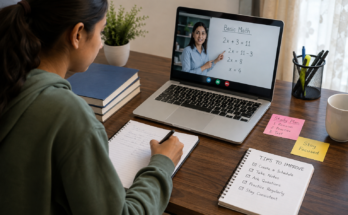
E learning has become an important part of modern education. With the growth of the internet, computers, smartphones, tablets, and online learning platforms, students and teachers can now connect with educational resources from almost anywhere. Traditional classrooms are still valuable, but e learning provides additional opportunities that make education more flexible, accessible, and convenient.
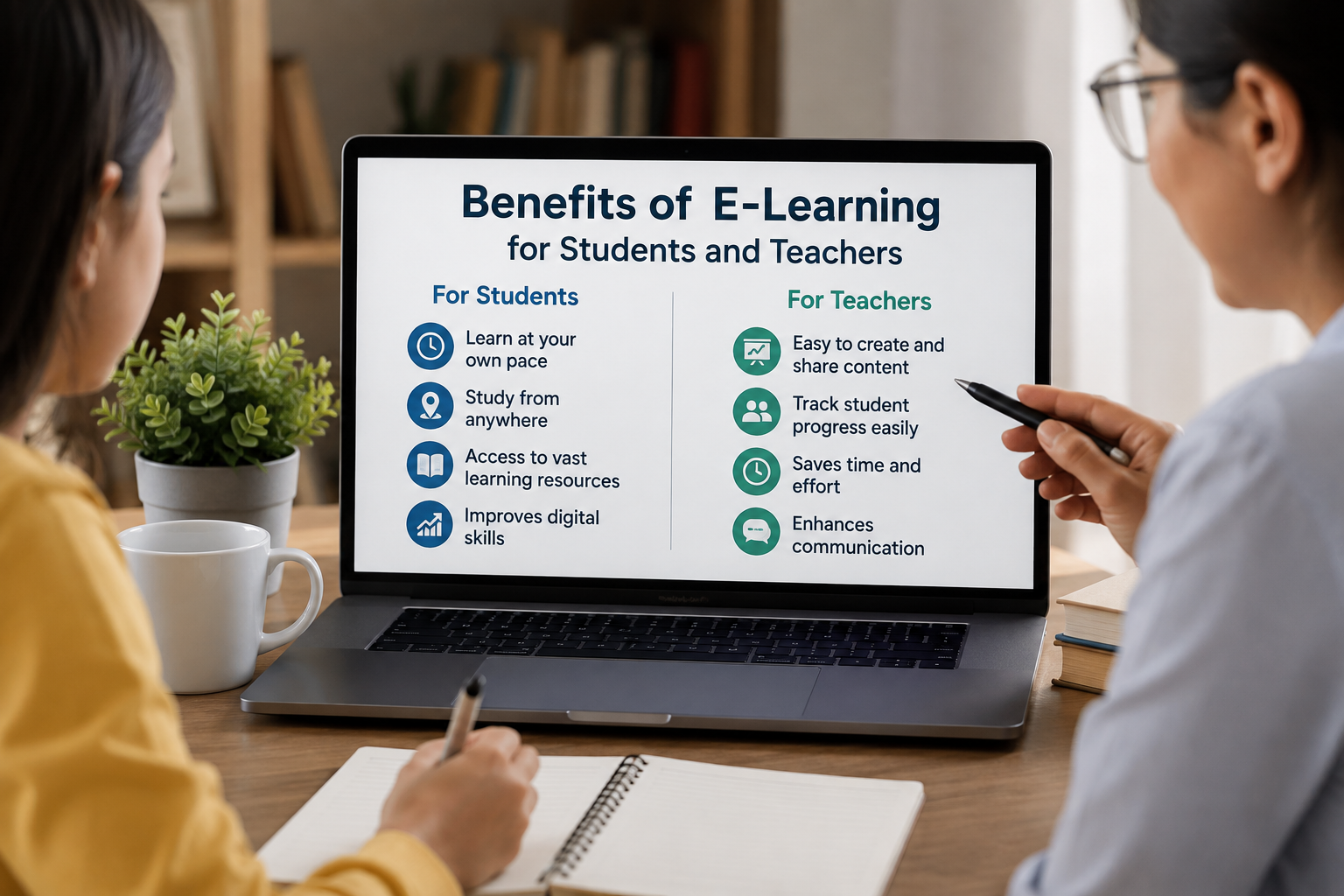
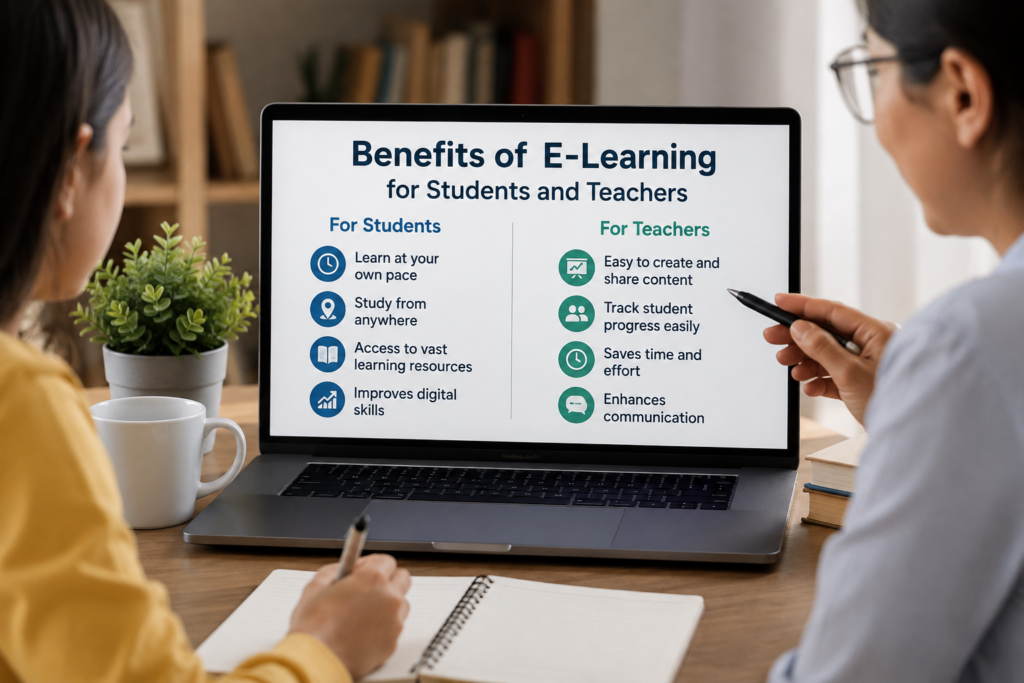
The benefits of e learning for students and teachers are becoming easier to see as schools, colleges, universities, and training organizations use digital education tools. Students can learn at their own pace, while teachers can use technology to create more engaging lessons and manage their teaching activities more effectively. This article explains the major benefits of e learning for both students and teachers.
Flexible Learning Opportunities
One of the biggest benefits of e learning is flexibility. Students do not always need to attend a physical classroom at a fixed time. Many online courses allow learners to access lessons, videos, notes, and assignments according to their own schedules.
This flexibility is especially helpful for students who have other responsibilities. They can study in the morning, afternoon, or evening depending on their routine. Students can also choose a comfortable learning environment that helps them concentrate better.
Teachers also benefit from flexible education. They can prepare lessons in advance and share learning materials with students through online platforms. Digital tools allow teachers to organize their educational content and communicate with learners without always being physically present in a classroom.
Learning at Your Own Pace
Every student learns differently. Some students understand a topic quickly, while others need more time and practice. Traditional classroom teaching can make it difficult for teachers to give every learner exactly the amount of time they need.
E learning helps solve this problem by allowing students to learn at their own pace. They can watch a lesson again if they do not understand it the first time. They can pause videos, review notes, complete practice activities, and repeat difficult topics.
This can improve student confidence because learners do not have to feel embarrassed about asking for the same explanation several times. They can review the material privately until they understand it properly.
Easy Access to Educational Resources
Another important benefit of e learning is easy access to educational resources. Students can find digital books, video lessons, research materials, presentations, quizzes, articles, and other resources online.
Instead of depending only on a physical textbook, students can explore different sources to understand a topic from multiple perspectives. This can encourage independent learning and research skills.
Teachers can also access a wide range of educational resources. They can find teaching ideas, digital presentations, educational videos, online activities, and useful references that can make their lessons more interesting.
Saves Time and Reduces Costs
E learning can save time for both students and teachers. Students do not always need to travel to a school or training center to attend a lesson. This can reduce commuting time and make education easier for people who live far away from educational institutions.
Online education can also reduce certain educational expenses. Students may spend less money on transportation, printed materials, and other classroom related costs. Many online resources are available at low prices or sometimes free.
Teachers can also save time by sharing digital materials instead of preparing large amounts of printed content. Online assignments and quizzes can make some parts of the teaching process more organized and efficient.
Better Learning Experience for Students
E learning can make education more engaging when digital tools are used properly. Videos, animations, presentations, interactive quizzes, educational games, and virtual activities can help students understand complex ideas more easily.
For example, a science student can watch an animated explanation of a difficult process instead of only reading about it in a textbook. A language student can listen to pronunciation examples and practice through interactive exercises.
These different learning methods can support students with different learning preferences and make educational content more interesting.
Improved Communication Between Students and Teachers
Communication is an important part of successful education. E learning provides several ways for students and teachers to communicate. Students can ask questions through discussion boards, emails, online classrooms, or messaging systems.
Teachers can provide feedback on assignments and answer questions without waiting for the next physical class. This can create a more continuous learning experience.
Online communication can also help students who are shy in traditional classrooms. Some learners may feel more comfortable asking questions through an online platform than speaking in front of many classmates.
Better Teaching Management
E learning provides teachers with useful tools for managing educational activities. Teachers can organize lessons, assignments, quizzes, study materials, and student information through learning management systems.
Digital platforms can make it easier to track assignment submissions and monitor student progress. Teachers can also provide feedback more quickly and keep educational materials organized in one place.
This allows teachers to spend more time focusing on teaching and supporting students rather than dealing with unnecessary paperwork.
Personalized Learning
Personalized learning is another major advantage of e learning. Digital education platforms can allow students to follow learning paths based on their abilities and needs.
A student who already understands a topic can move forward to more advanced material. Another student who needs additional practice can spend more time reviewing basic concepts.
Teachers can also use digital assessment results to identify areas where students are struggling. This information can help them provide additional support and choose suitable learning activities.
Development of Digital Skills
Modern students need digital skills for education, employment, and everyday life. E learning naturally gives students opportunities to use computers, online platforms, digital documents, video conferencing tools, and internet research.
As students become comfortable with these technologies, they can develop skills that may be useful in future careers. They also learn how to search for information, communicate online, organize digital files, and complete tasks using technology.
Teachers also improve their digital skills through e learning. They can learn how to use educational software, online classrooms, digital assessment tools, and other technologies that support modern teaching.
Learning From Anywhere
Location is one of the major limitations of traditional education. A student may live far away from a good school, college, university, or training center.
E learning can reduce this limitation. Students can join online courses from different locations as long as they have suitable internet access and a compatible device.
This can provide educational opportunities to learners who may otherwise have limited access to certain subjects or teachers. Teachers can also reach students from different cities and regions through online education platforms.
Continuous Professional Development for Teachers
E learning is not only useful for students. Teachers can use online courses to improve their knowledge and professional skills.
They can take courses related to teaching methods, educational technology, classroom management, subject knowledge, assessment strategies, and other professional areas.
Online professional development is convenient because teachers can often complete courses alongside their regular responsibilities. This encourages lifelong learning and helps educators stay updated with changes in their fields.
Environmentally Friendly Education
E learning can also reduce the need for some physical educational materials. Digital textbooks, online assignments, electronic notes, and digital communication can reduce paper consumption.
Students and teachers can store educational resources on computers or cloud platforms instead of using large amounts of printed material. Although online education still requires electricity and electronic devices, reducing unnecessary printing can support more sustainable educational practices.
Greater Student Independence
E learning encourages students to take more responsibility for their education. Instead of depending completely on a teacher, learners can search for information, review lessons, complete online activities, and manage their study schedules.
This independence can help students develop time management, self discipline, research, and problem solving skills. These skills are useful not only in education but also in professional life.
Conclusion
The benefits of e learning for students and teachers make digital education an important part of modern learning. Students can enjoy flexible schedules, personalized learning, easy access to resources, better communication, and opportunities to develop digital skills. Teachers can benefit from better lesson management, flexible teaching methods, professional development, and useful digital tools.
E learning does not have to completely replace traditional education. Instead, it can work alongside classroom teaching to create a more flexible and effective educational experience. When technology is used properly, e learning can help students become more independent learners and help teachers provide better educational support.
As technology continues to develop, online education will likely become an even more important part of the learning process. Students and teachers who learn how to use digital education tools effectively can take advantage of new opportunities and build stronger skills for the future.