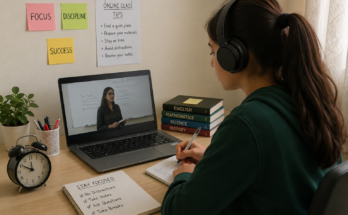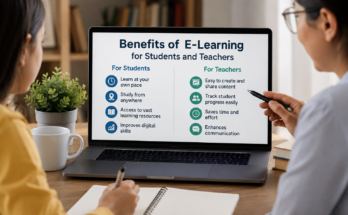
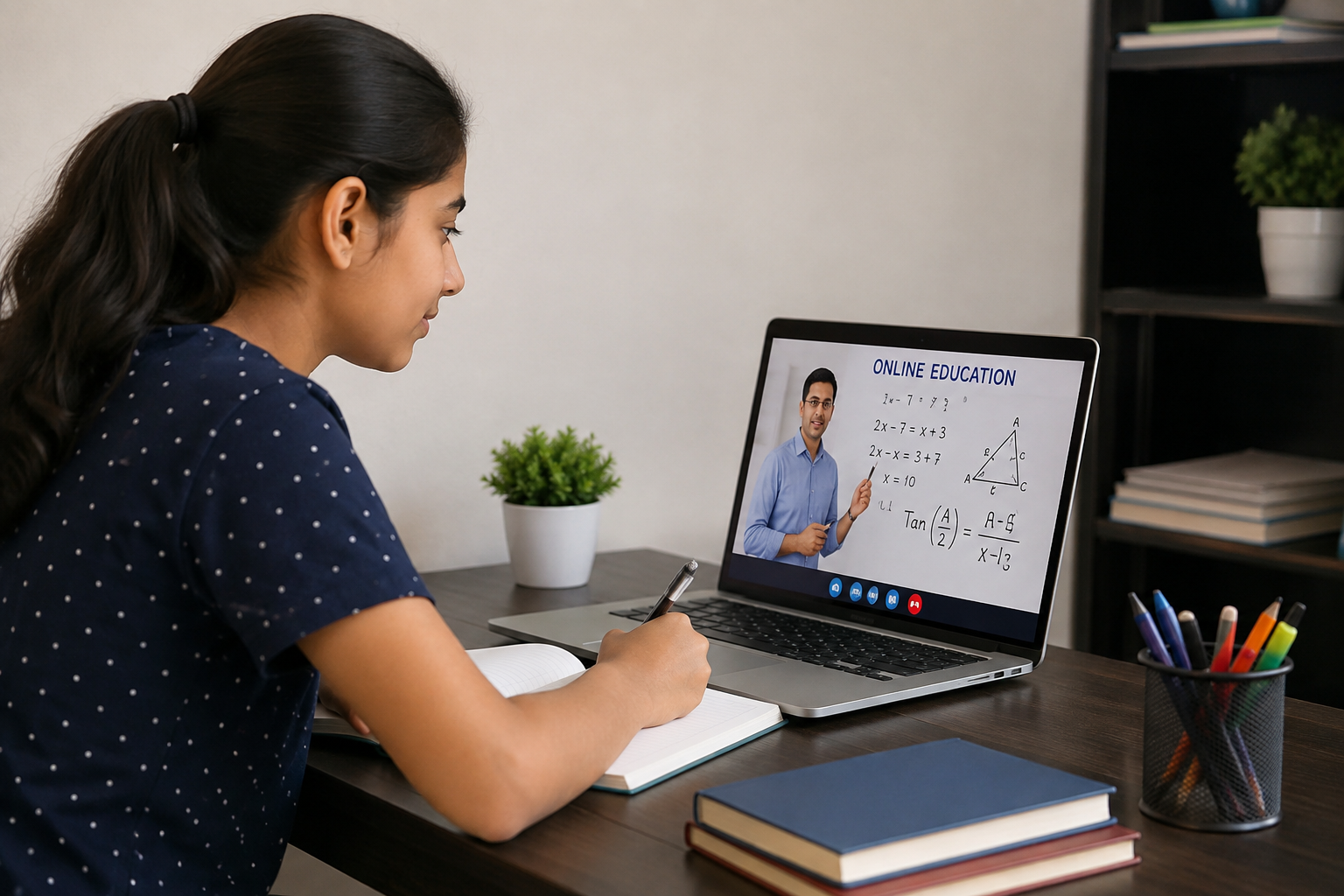
Online education has changed the way students study, understand lessons, and develop new skills. With the growth of the internet and digital learning platforms, students can now access educational resources from almost anywhere. Online education provides flexible learning opportunities and allows students to choose learning methods that match their needs. It has become an important part of modern education because it can make learning more convenient, interactive, and accessible.
Many students find traditional classroom learning difficult because every student has a different learning speed and different interests. Online education gives learners more control over their study routine. They can watch lessons again, read digital materials, complete activities at their own pace, and spend more time on topics they find difficult. For these reasons, online education can help students learn better and become more confident learners.
Flexible Learning Makes Education Easier
One of the biggest benefits of online education is flexibility. Students do not always need to follow a fixed classroom schedule. They can often choose when and where they want to study. This flexibility is especially useful for students who have other responsibilities.
A student can study early in the morning, during the afternoon, or in the evening depending on personal preferences and daily activities. This freedom can help students create a study routine that works best for them. When students are comfortable with their learning schedule, they may find it easier to concentrate and complete their educational tasks.
Flexible learning also helps students avoid unnecessary pressure. Instead of rushing through a lesson because the class period is ending, students can take additional time when they need it.
Students Can Learn at Their Own Pace
Every student learns differently. Some students understand a topic after one explanation, while others need several explanations and examples. Online education supports different learning speeds.
Recorded lectures, educational videos, digital books, presentations, and practice exercises allow students to review information as many times as necessary. If a student does not understand a lesson, the student can pause the video, review the material, and try again.
This ability to learn at a personal pace is one of the main reasons online education helps students learn better. Students are not forced to move forward before they understand the basic concepts. They can spend more time on challenging subjects and move faster through topics they already understand.
Easy Access to Learning Resources
Online education gives students access to a large amount of educational content. Digital libraries, educational websites, online courses, videos, articles, tutorials, and interactive learning tools can support classroom lessons.
Students can search for additional explanations when they have difficulty understanding a particular concept. Instead of depending on one textbook, they can explore different resources and find explanations that are easier to understand.
Easy access to information also encourages students to become independent learners. They learn how to search for reliable information, compare different sources, and use digital resources for academic purposes.
Interactive Learning Improves Understanding
Modern online education is not limited to reading digital textbooks. Many online courses use quizzes, videos, simulations, discussions, presentations, and interactive activities.
Interactive learning can make difficult topics easier to understand. For example, a science lesson can include an educational animation that explains a complicated process. A language course can provide listening exercises and speaking activities. A mathematics course can include practice questions with immediate feedback.
These activities can keep students engaged and encourage them to participate actively in the learning process. When students interact with educational content, they may remember important information more effectively.
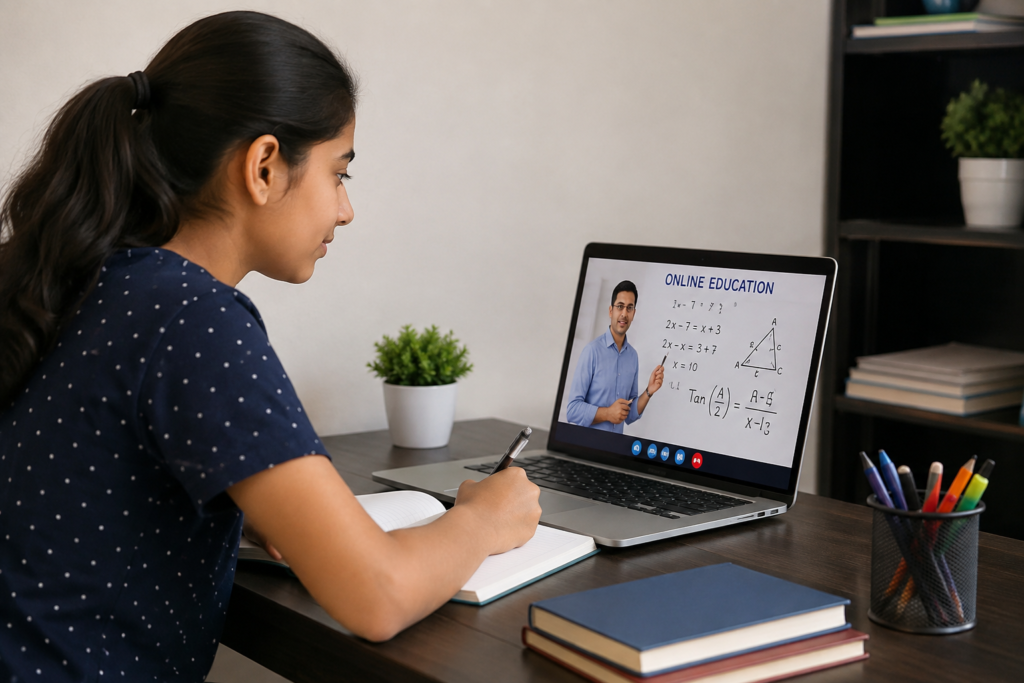
Online Education Supports Different Learning Styles
Students have different preferences when it comes to learning. Some students prefer reading, while others understand information better through videos, audio explanations, images, or practical activities.
Online education can provide different forms of educational content in one place. A student may read an article, watch a video, listen to an explanation, and complete a quiz about the same topic.
This variety gives students more opportunities to find learning methods that suit them. It can also make education more interesting and reduce the boredom that sometimes occurs when students use only one learning method.
Better Time Management Skills
Online education can help students develop important time management skills. Because many online courses provide flexible schedules, students often need to organize their own study time.
Students may create daily or weekly study plans and decide how much time to spend on each subject. This encourages responsibility and helps learners understand the importance of meeting deadlines.
Time management is useful not only for education but also for future careers. Students who learn how to organize their responsibilities can become more productive in their professional and personal lives.
Students Can Review Lessons Easily
Another important advantage of online education is the ability to review previous lessons. In a traditional classroom, students may not always remember everything that a teacher explains during one lesson.
Online learning materials can often be accessed again whenever students need them. A student preparing for an examination can return to previous lessons, review important concepts, and practice questions.
Repeated review can improve understanding and help students remember information for a longer period. It also allows students to identify areas where they need more practice.
Improves Digital Skills
Online education naturally helps students develop digital skills. Students learn how to use learning platforms, online communication tools, digital documents, search engines, presentation software, and other technologies.
Digital skills are increasingly important in modern workplaces. By using technology for education, students can become more comfortable with digital tools and online communication.
These skills can also help students complete research, create presentations, collaborate with others, and communicate with teachers and classmates.
Encourages Independent Learning
Online education can encourage students to take greater responsibility for their education. Instead of depending completely on a teacher, students can search for information, complete assignments, review lessons, and solve problems independently.
Independent learning can improve confidence because students learn that they are capable of finding answers and overcoming academic challenges.
Teachers still play an important role in online education. However, students also become active participants in their own learning process. This balance can help create stronger learning habits.
Online Education Can Increase Student Confidence
Some students feel uncomfortable asking questions in a traditional classroom. They may worry about making mistakes in front of classmates. Online education can provide alternative ways to ask questions and participate.
Students may communicate with teachers through messages, discussion boards, or online meetings. They can also practice lessons privately before sharing their answers.
As students gain knowledge and complete online activities successfully, their confidence can increase. Greater confidence can motivate students to continue learning and take on more difficult subjects.
Learning From Different Teachers and Experts
Online education allows students to learn from teachers and experts from different locations. A student does not always have to depend on the educational resources available in a local area.
Online courses can connect learners with instructors who have specialized knowledge in particular subjects. This can give students opportunities to explore topics that may not be available through their local educational institutions.
Learning from different instructors can also expose students to different teaching methods and perspectives.
Better Preparation for the Future
Technology is becoming an important part of almost every profession. Online education helps students become familiar with digital communication, online research, virtual collaboration, and technology based work.
Students who regularly use digital learning tools can become more prepared for modern workplaces. They learn how to communicate online, manage digital information, meet deadlines, and work independently.
Online education therefore provides benefits beyond academic knowledge. It can help students develop practical skills that are useful for future careers.
Challenges of Online Education
Although online education offers many advantages, students can also face challenges. Some students may struggle with distractions, poor internet access, limited technology, or a lack of motivation.
Students can overcome many of these challenges by creating a quiet study environment, following a regular schedule, setting clear goals, and taking short breaks. Teachers and parents can also support students by encouraging good study habits.
Online education works best when students use technology responsibly and remain committed to their learning goals.
Conclusion
Online education helps students learn better by providing flexibility, easy access to resources, personalized learning opportunities, and interactive educational experiences. Students can learn at their own pace, review lessons whenever necessary, and choose learning materials that match their preferences.
It also helps students develop important skills such as time management, independent learning, digital communication, research, and problem solving. Although online learning has some challenges, proper planning and responsible use of technology can make the experience more effective.
As education continues to change, online learning will remain an important part of modern education. Students who use online education effectively can gain knowledge, improve their learning habits, build confidence, and prepare themselves for future academic and professional opportunities.