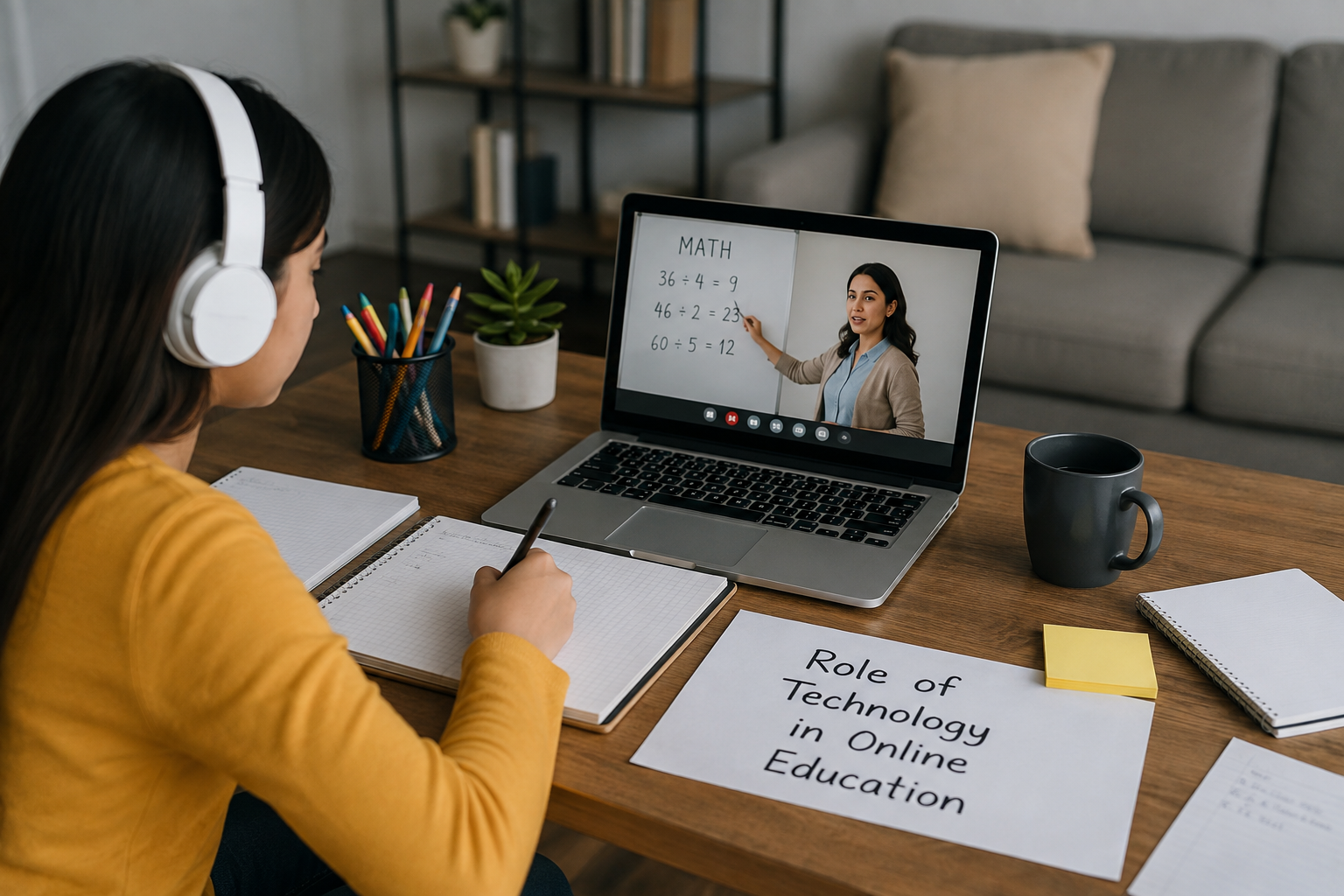
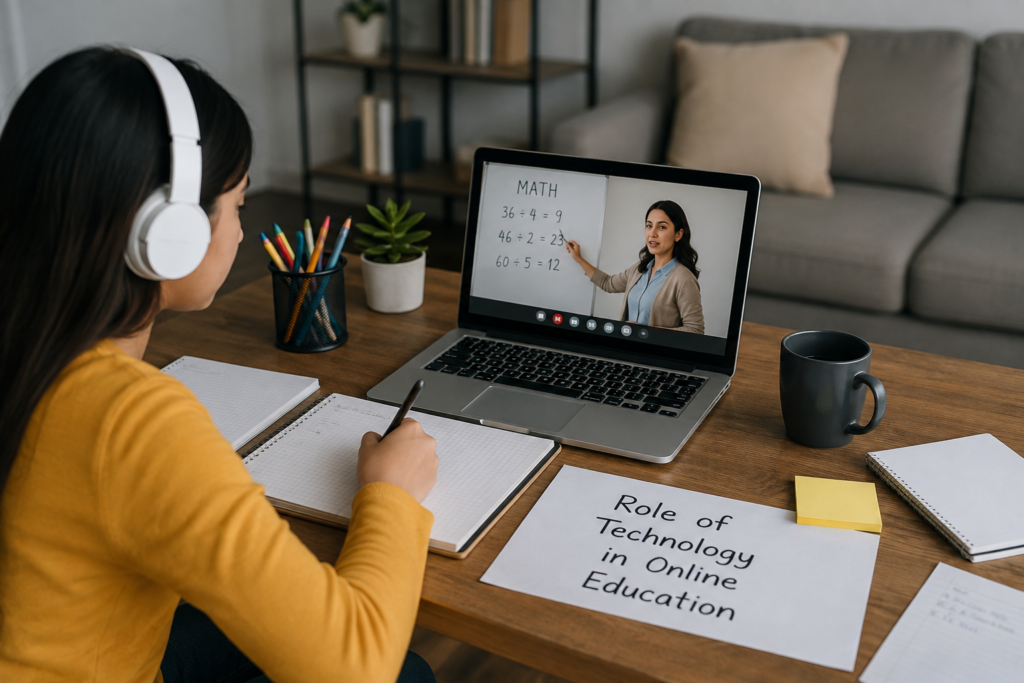
Technology has changed the way people learn, communicate, and access information. One of the biggest changes can be seen in the education sector, where online learning has become an important part of modern education. The role of technology in online education is growing every day because digital tools make learning more flexible, accessible, and convenient for students and teachers. With an internet connection and a suitable device, students can attend classes, access study materials, communicate with teachers, and complete assignments from almost anywhere.
Online education has become especially useful for students who cannot attend traditional classrooms because of distance, work responsibilities, personal commitments, or other limitations. Technology has made it possible to create virtual learning environments where students can continue their education without being physically present in a school or college. From video classes and digital books to online tests and educational applications, technology provides many tools that support better learning experiences.
Easy Access to Education
One of the most important benefits of technology in online education is easy access to learning. In traditional education, students usually need to travel to a specific location to attend classes. Online education removes this limitation by allowing students to learn from home or any other convenient location.
Students can join virtual classrooms using computers, tablets, or smartphones. This flexibility makes education available to people living in remote areas where quality educational institutions may not be easily accessible. Online education also gives learners an opportunity to study courses offered by institutions located in other cities or countries.
Flexible Learning Opportunities
Technology has made online education more flexible than traditional learning in many ways. Students can often choose when and where they want to study. Recorded lectures allow learners to watch lessons again when they need additional explanation.
This flexibility is particularly useful for working professionals and students with busy schedules. Instead of following only a fixed classroom routine, learners can organize their study time according to their personal responsibilities. Flexible learning can also help students move through difficult topics at their own pace.
Digital Learning Materials
Technology provides students with a wide range of digital learning materials. Teachers can share electronic books, presentations, articles, videos, research papers, assignments, and interactive activities through online learning platforms.
Digital resources can be updated more easily than traditional printed materials. Students can also search for information quickly and explore additional resources related to their subjects. Educational websites and digital libraries provide access to a large amount of knowledge that can support classroom lessons.
Another advantage is that students can store many learning resources on a single device. This reduces the need to carry heavy books and makes study materials available whenever they are needed.
Interactive Online Classes
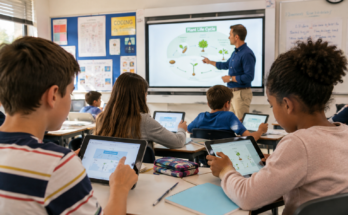
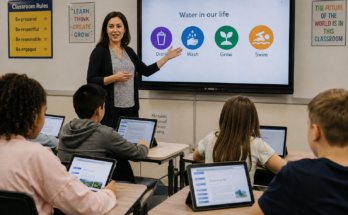
Technology has improved the quality of online classes by making them more interactive. Video conferencing platforms allow teachers and students to communicate through live classes. Students can ask questions, participate in discussions, and interact with classmates.
Teachers can use presentations, videos, animations, quizzes, and screen sharing to explain difficult concepts. These tools can make lessons more interesting and help students understand topics more clearly.
Interactive learning is important because students are more likely to remain engaged when they actively participate in the learning process. Technology gives teachers different ways to create lessons that are suitable for different learning styles.
Improved Communication Between Teachers and Students
Communication is another important role of technology in online education. In traditional classrooms, students may have limited opportunities to communicate with teachers outside class hours. Online education provides several communication methods, including email, messaging systems, discussion boards, and video meetings.
Students can submit questions and receive guidance from teachers through digital platforms. Teachers can also provide feedback on assignments and inform students about upcoming tests, projects, and important announcements.
Better communication can help students feel more connected to their teachers and learning communities. It also allows teachers to identify problems and provide support when students are struggling with a subject.
Online Assignments and Assessments
Technology has changed the way students complete assignments and take assessments. Online learning platforms allow teachers to create digital quizzes, examinations, homework tasks, and projects.
Students can submit assignments electronically without printing documents. Teachers can review the work and provide digital feedback. Online assessment systems can also save time by automatically checking certain types of quizzes and tests.
Digital assessments can provide useful information about student performance. Teachers can use these results to understand which topics students have mastered and which areas require additional attention.
Personalized Learning
One of the major advantages of technology in online education is the possibility of personalized learning. Every student has different strengths, weaknesses, interests, and learning speeds. Traditional classrooms may make it difficult for teachers to provide individual attention to every student.
Digital learning platforms can provide different learning resources based on student needs. Some platforms can track progress and recommend additional exercises or lessons. Students can spend more time on difficult subjects and move faster through topics they already understand.
Personalized learning can make education more effective because students receive opportunities to learn according to their individual requirements.
Educational Applications and Tools
Educational applications have become an important part of modern online education. Students can use applications for language learning, mathematics, science, programming, writing, and many other subjects.
These tools often include quizzes, practice exercises, videos, games, and interactive activities. Educational applications can make learning more engaging and encourage students to practice regularly.
Teachers can also use digital tools to create presentations, manage assignments, communicate with students, and organize online classes. As technology continues to develop, new educational tools are likely to provide even more opportunities for teachers and learners.
Artificial Intelligence in Online Education
Artificial intelligence is becoming another important part of online education. AI based educational tools can help students receive explanations, practice questions, writing assistance, and personalized learning recommendations.
Teachers can also use artificial intelligence to support lesson planning, create educational materials, and analyze student performance. However, technology should support teachers rather than completely replace them. Human guidance remains important because teachers provide encouragement, understanding, and personal support that technology cannot fully replace.
Technology Makes Learning More Engaging
Online education can sometimes feel less engaging than traditional classroom learning. Technology helps solve this problem by providing multimedia learning experiences. Videos, animations, interactive diagrams, virtual activities, and educational games can make complex topics easier to understand.
For example, a science student can watch an animated explanation of a scientific process instead of only reading about it in a textbook. A language learner can listen to native speakers and practice pronunciation using digital tools.
These experiences can make learning more enjoyable and improve student participation.
Challenges of Technology in Online Education
Although technology provides many benefits, online education also has some challenges. Not every student has access to a reliable internet connection or a suitable digital device. Technical problems can interrupt classes and make learning difficult.
Students may also become distracted by social media, entertainment, and other online activities. Too much screen time can make it difficult for some learners to maintain concentration.
Another challenge is the lack of direct physical interaction. Some students may miss the social environment of a traditional classroom. Teachers therefore need to create opportunities for discussion, teamwork, and communication in virtual learning environments.
Digital safety and privacy are also important concerns. Educational institutions should protect student information and use secure platforms for online learning.
Future of Technology in Online Education
The future of online education is closely connected with technological development. Faster internet connections, artificial intelligence, virtual reality, augmented reality, and advanced educational platforms may create new learning experiences.
Virtual reality could allow students to explore historical locations, scientific environments, or realistic training simulations. Artificial intelligence may provide more personalized learning support. Improved online platforms may also make collaboration between students from different parts of the world easier.
These developments can make online education more accessible and interactive while giving students more control over their learning experience.
Conclusion
The role of technology in online education has become extremely important in modern learning. Technology provides easy access to educational resources, flexible learning opportunities, interactive classes, digital assessments, personalized learning, and better communication between teachers and students.
Although online education has challenges such as technical problems, distractions, limited access to devices, and reduced physical interaction, the advantages of technology are significant. When used properly, technology can support teachers, improve student engagement, and make quality education available to more people.
As technology continues to develop, online education will likely become an even more important part of the global education system. The combination of effective teaching methods and modern technology can create flexible, accessible, and engaging learning experiences for students of all ages.